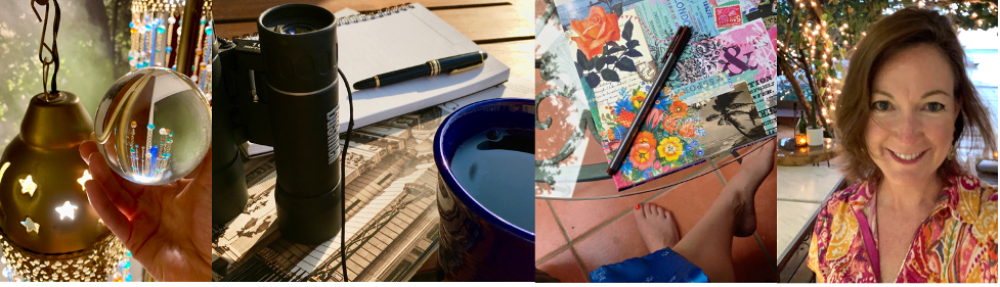
The Greek philosopher Heraclitus declared, “the only constant in life is change,” a motto we take to heart in our fluctuating Foreign Service lifestyle. After years overseas, repatriation has been easier than expected with the safety and accessibility of day-to-day conveniences, yet it’s also more transactional with the self-checkouts, contactless deliveries, and services that are same-day or even instant.
I yearn for the personal connections– and speaking foreign languages– with the roadside merchants, farmers, and artisans who enriched our daily lives overseas. And, I daresay, I miss the art of problem-solving, a required skill abroad. It’s amazing what you can creatively fashion out of recycled items when you can’t go out and buy them. Now, I can just pop to the store (or the internet) with choices galore (and if it’s food, it might even be efficiently pre-washed, pre-cut, and pre-packaged, saving serious prep time).
One thing the U.S. consistently delivers on is its vast array of opportunities. Brad has been handling global security programs behind the scenes at the State Dept., and Ramsay has adapted well to 8th grade, taking a lead role in his school play, receiving a merit medal in a photography contest, and winning a basketball championship with his team.
When we returned stateside this summer, I had high hopes of generating income during our two-year assignment; however, finding meaningful work as a federal government contractor in these trying times has been a bit… demoralizing. So, I’ve pivoted to focus more on public speaking engagements and writing endeavors. I’m happy to report that I’ve achieved a few personal milestones–speaking at women’s conferences, being on podcasts, making the TEDx finals, and having a chapter published in a bestselling non-fiction anthology, Femme Led: Hard-earned Lessons in Women’s Leadership.
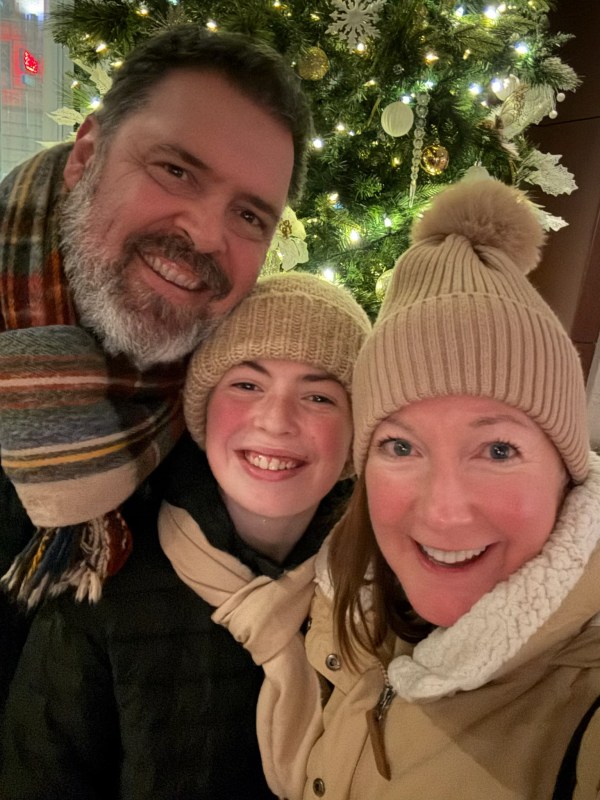
In mid-December, we welcomed our long-awaited cargo shipment from West Africa, which contained cozy coats, decorations, and needed cookware just in time for the holidays. We unboxed in record time, unearthing the comforts and treasures that make our house a home. Stockings were hung at the same time as the wall art, and we made a family outing to choose a Christmas tree for the first time in 12 years.
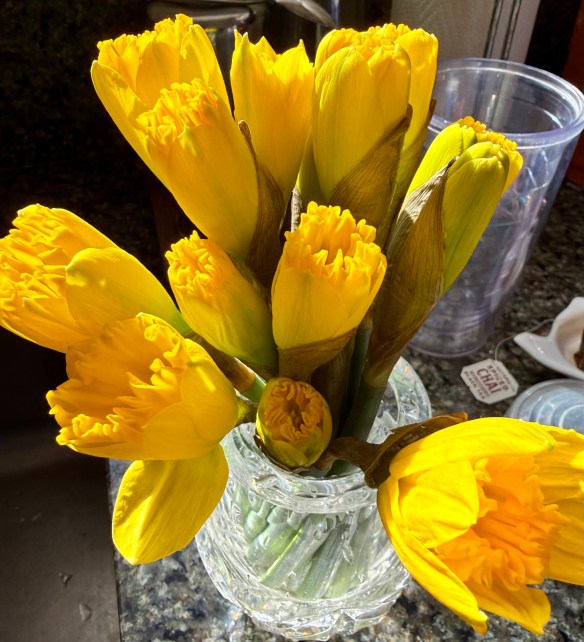
This winter, after more than a decade in tropical climates, our bodies are struggling to adapt to D.C.’s record-breaking low temperatures and snow. Our anticipation stirs, however, with the signs of spring whispering its arrival. The “snow-crete” mounds have melted, and like an overnight magic trick, Daffodils and Crocuses have pushed up through the brown leaves, stretching skyward to breathe color into the bleak landscape.
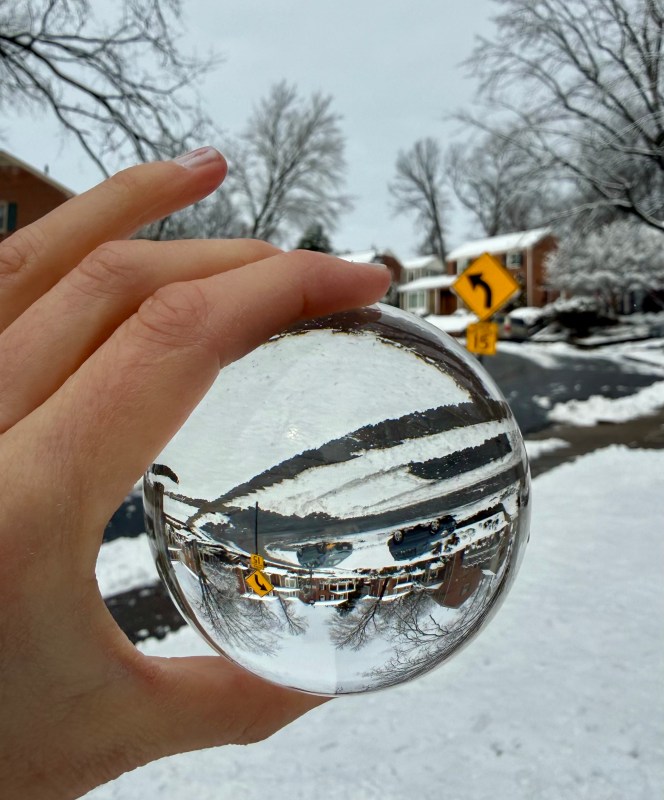

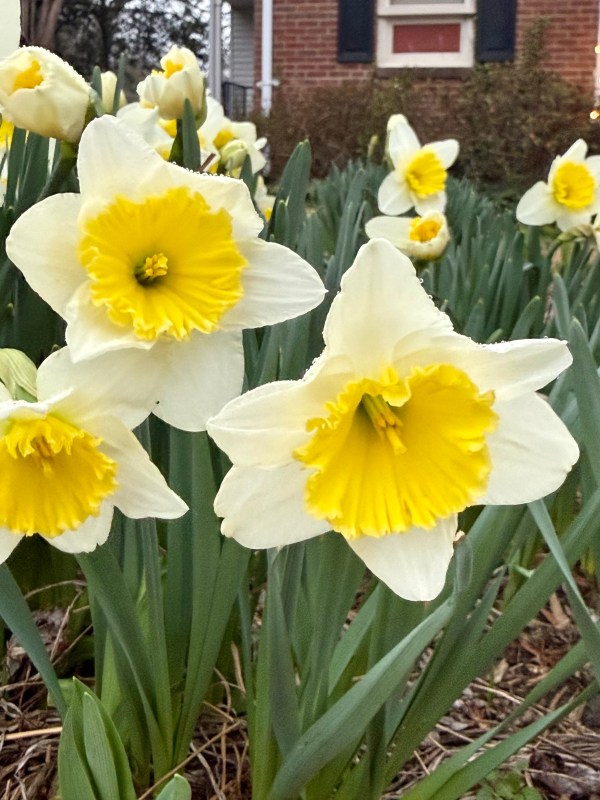
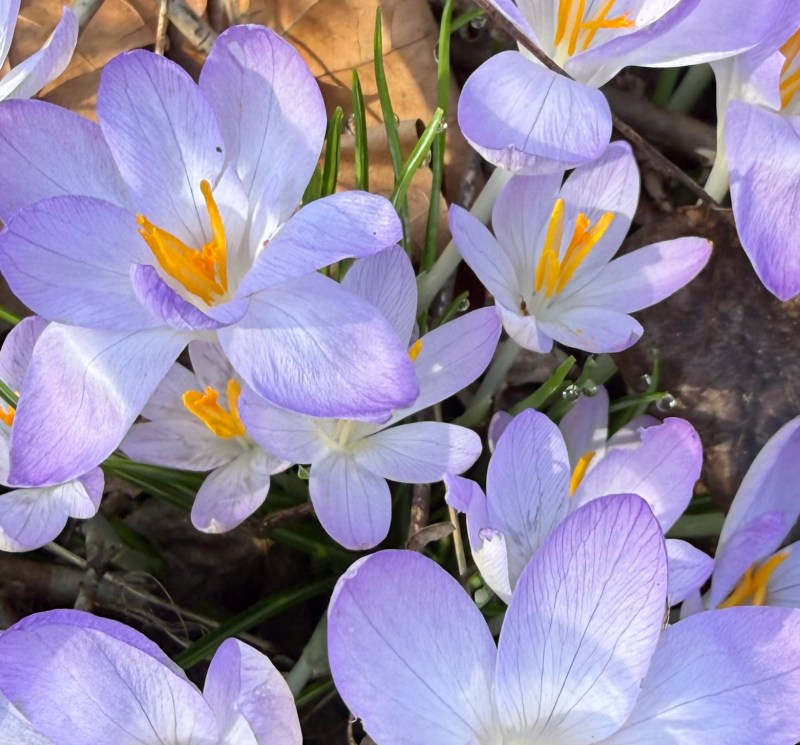
On the precipice of spring, after months of soul gardening indoors (devouring books from the public library, goal-planning, watching movies, playing board games, creating art, stories, and recipes), we sense an awakening– out come the joggers, children twirling down sidewalks, and the return of cyclists whirring past. Leaves unfurl from branches, and buds burst forth in frosting pink blossoms, as if Mother Nature is donning her party dress.
Smiling, we shed our boots and socks, exposing our bare skin to the warm sunlight that scatters prisms across the porch. Clouds glide by swiftly, reminding us that time is precious. I climb into our hammock and close my eyes, daydreaming about what’s next.
May your days be full of flowers. What will you be wishing for this spring?
Love & Light,
-Tracy

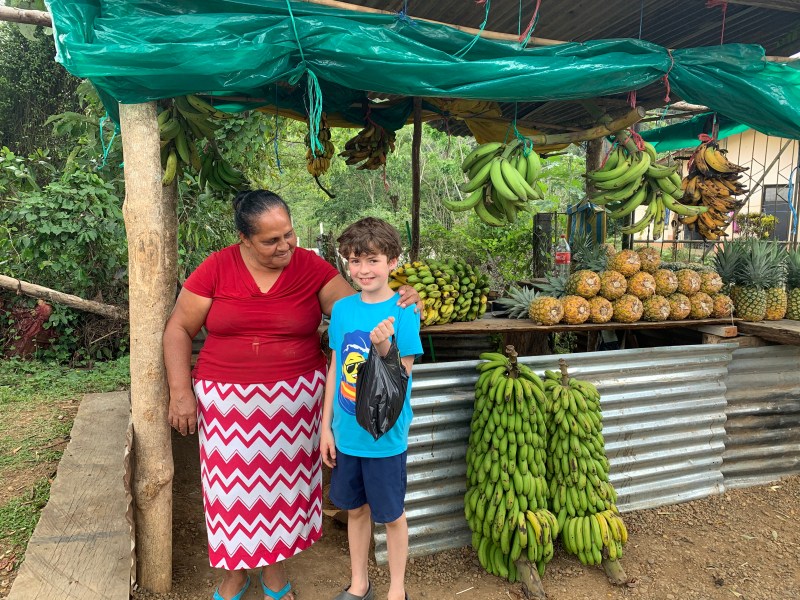


 Not unlike many Foreign Service families, we traveled this summer to soak up quality time with loved ones. Wanting to take advantage of being back in the states, we stayed busy. Days were full of celebrating with yummy meals, museum visits, outdoor activities, creative pursuits, exploration, and play dates.
 I made my favorite French tea, pasted a few images into a vision board, and read pages of Rachel Hollis’ book, “Girl, Wash Your Face,“in which she emphasized the importance of showing up and keeping commitments for ourselves as we do for others. She asked, “would you keep hanging out with a friend always flaking out on you?” To summarize the response: no, you wouldn’t. Commit to your dreams and goals and treat yourself as well as you do everyone else in your orbit. Good reminder, I thought.
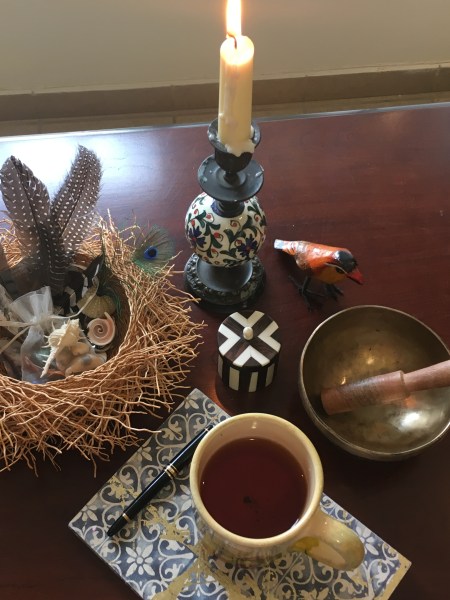 I had recently signed up for, but not completed, Meghan Genge’s “Magical Morning” E-Course. When I opened her email (nine days after it arrived), her message was clear: “Continue to show up for yourself. Every morning. Because magic will start to happen when you start your day mindfully.” Hmmm. Twice I’ve heard this today. I worked out what my morning ritual would be: light a candle, tap a singing bowl, set priorities for the day, write in my journal, and stretch.
  Carpe Diem Creative