Navigating Non-Linear Expat Life: A Repatriation Journey

Collins Dictionary describes non-linear as “Does not progress smoothly from one stage to the next in a logical way…makes sudden changes or goes in different directions at the same time.”

Most days, we thrive on our non-linear, unpredictable Foreign Service journey, but It’s “PCS” season in the diplomatic community here, which stands for Permanent Change of Station, and I’m wishing for a smooth transition, especially as a U.S. federal government family in the current political climate. While bidding for our next assignment these last few months, we thought briefly our family might be moving to Turkey, then chances were good for Prague (for which I was pining), however, now we will land in DC this summer for two years.

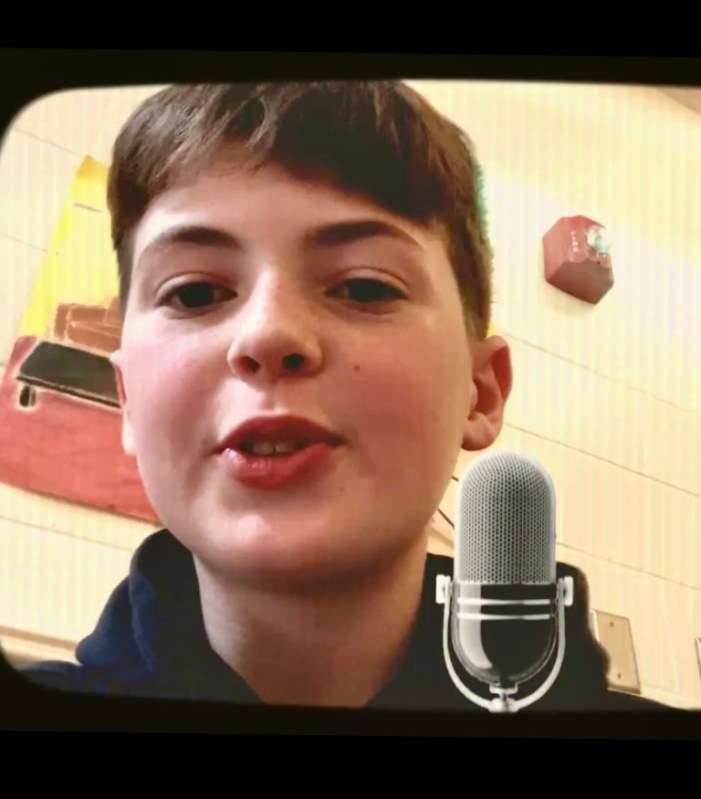
After more than a decade abroad in Swaziland, Cairo, Honduras, and Gabon, the best part of repatriation will be the proximity to friends and family, especially, reuniting with our son who left for boarding school one and a half years ago after a military coup. We’ve had holidays and breaks together, but in between, contact has mostly been via video chats and I cannot wait for us to be back under one roof as a family.
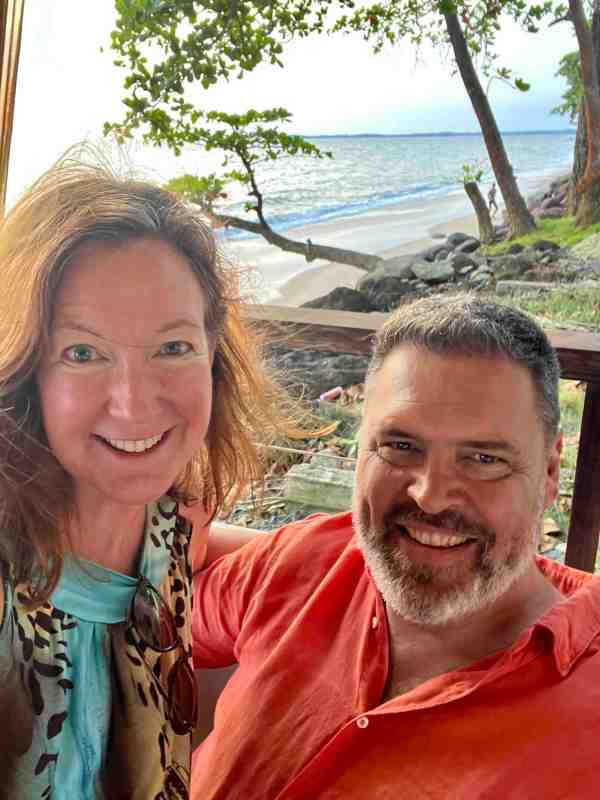
Returning to America, we know to expect some reverse culture shock and necessary adaptations. Focusing on the positive, there is the anticipation of choosing which property we get to live in, a change of seasons (sweaters and boots!), drinking water from the tap, smooth roads accompanied by (mostly) civil driving rules, ample electricity and countless conveniences, like quick trips to the store without hunting for ingredients, browsing the library for a book in english, and the instant gratification of finding the essentials without much hassle.

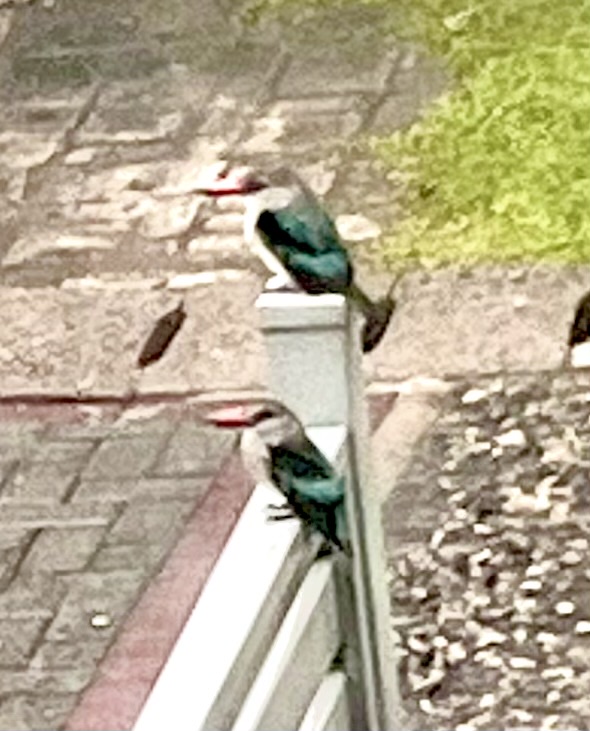
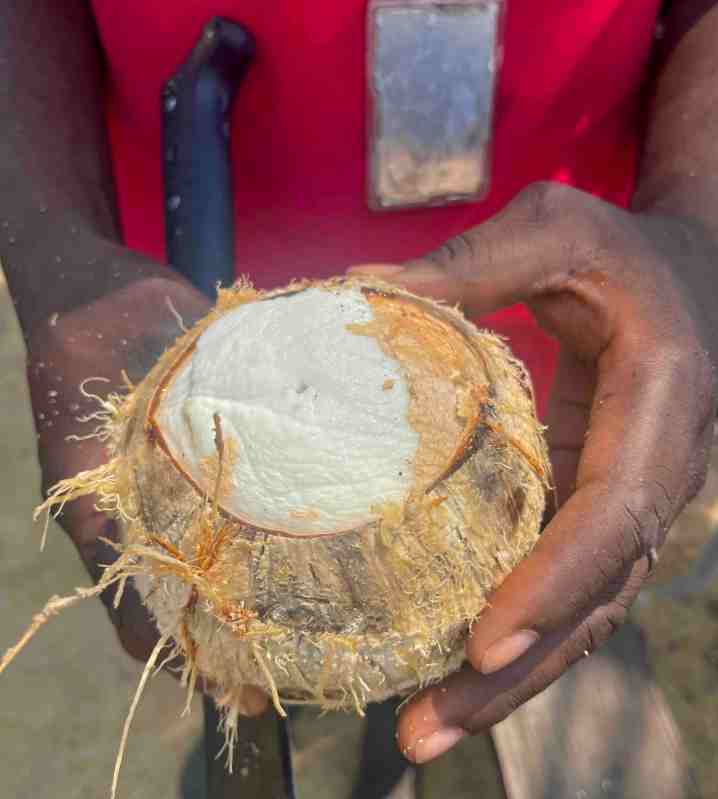
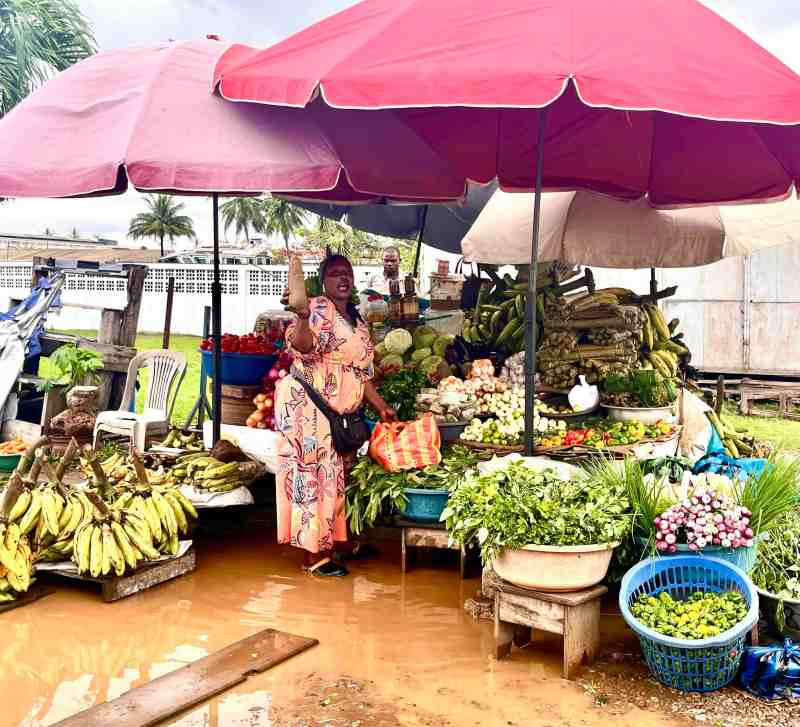
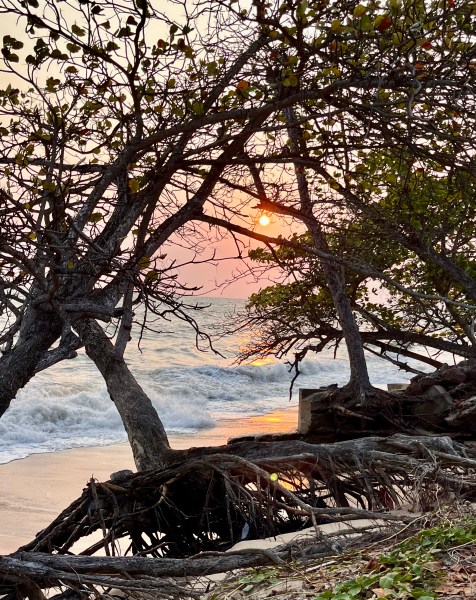
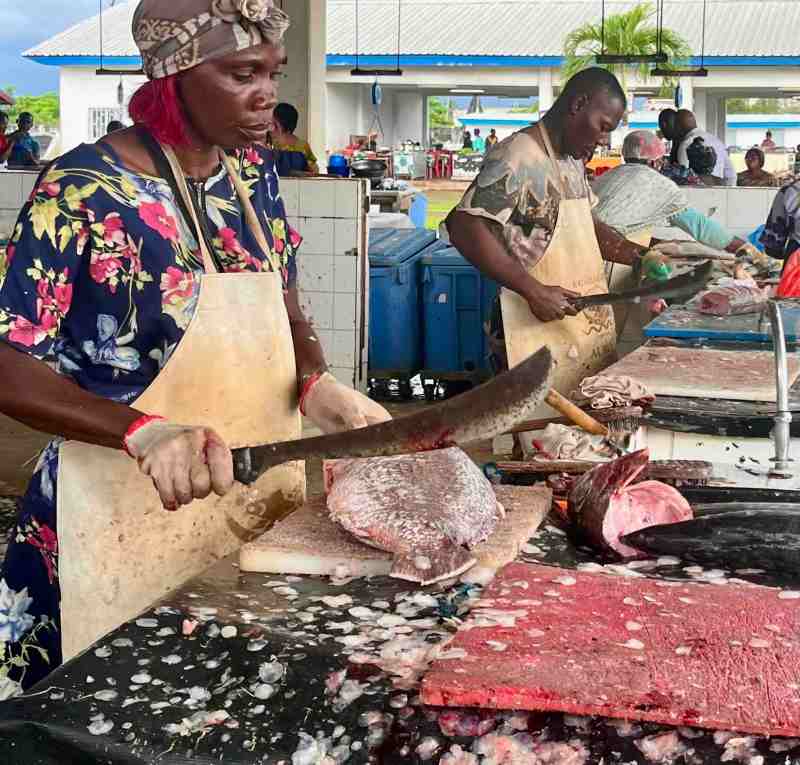
But, how I will miss our dear friends, conversing in foreign languages, and the rich cultural experiences and adventurous travel. I will miss buying produce and fish from the source and the unexpected gestures of kindness, like the gardener gifting me a fresh coconut. And the stunning beauty of fiery sunsets near the equator, watching storms roll in next to Kingfishers perched on our fence, and the wild vibrancy of our surroundings.

I’ll even miss the frequent life lessons that come fast and hard in developing countries, challenging us to find solutions without the resources and tools we’re accustomed to; at times living with instability and even fear, operating far beyond our comfort zones. Learning to do without and living on less. And the important, constant reminders that as Americans how fortunate we are to have access to clean water and air, sturdy living quarters, stable food sources, education, accessible healthcare and the protection of human rights – all of which far outweigh what we’ve witnessed in Central America and Africa. (Unlike what the show “The Diplomat” portrays, our life is a lot more grit than glamour).

Out of necessity, I’ve reinvented myself in each of these foreign lands. Through building community and a life for our family, one hurdle at a time, I’ve grown emotionally stronger, braver, and more self-assured. Since I’ve been unable to consult overseas in my field (illicit finance, deemed a conflict of interest with my husband’s job), I’ve shifted to writing, public speaking, developing a deep spiritual relationship with nature, and cultivating a quieter lifestyle.

Repatriation will take resilience and patience. We’ll need to find a car, rent a home, register for school, and furnish a house- parts of which will come to us in stages: a few hundred pounds of household effects (clothes, linens, kitchen utensils and things needed sooner than later) from Gabon will arrive by plane, followed by crates full of carpets, furniture, and goods that will make a longer journey by cargo ship.

Back on American soil, I’ll be interested to see who I will I become. I’m secretly afraid I’ll lose my wilder spirit–that it might get buried or swallowed up by box stores instead of roadside markets, or by the ease of days spent mostly indoors and without having to tap into bravery and daring. But I imagine although our lifestyle stateside will likely be faster-paced, it will also be more even-keeled, safer, and less like living in survival mode.

As a more relaxed mama with our child at home, perhaps I’ll once again sleep through the night. And, after a long hiatus in my career, I’ll navigate reentry into the work place in a way that feels meaningful. It might take a while, but the house will come together–quirky as it may be–and we’ll start 8th grade and new jobs, discover new friends, activities, and spaces to explore. Also, after grieving the recent loss of our sweet Golden Retriever, “Biscuit,” we’ve promised our son we’ll consider becoming dog owners again once we’re settled.

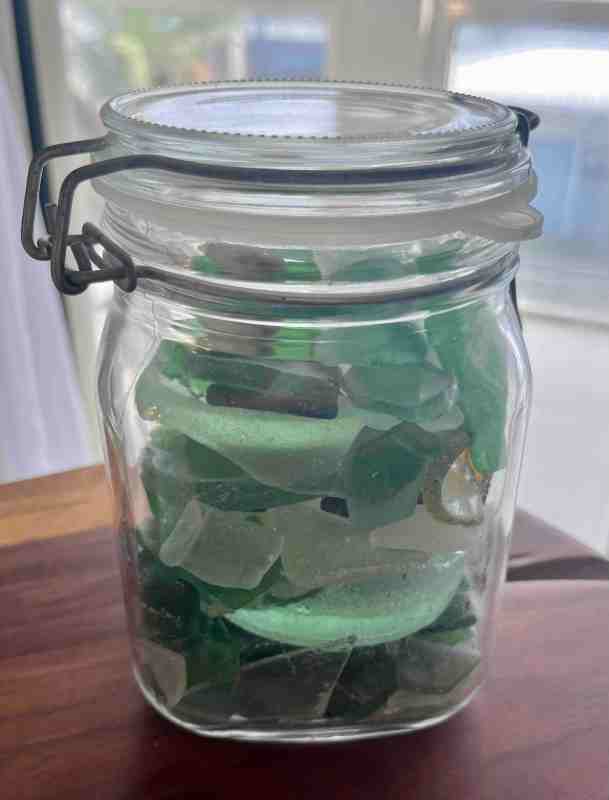
On this new journey home, to blend the past with the present, we’ll bring along talismans collected during our time abroad— local art, sea glass, shells, and feathers– all imbued with moments we’ll cherish.

Cheers to “fair winds and following seas.” We hope you’ll come visit us next fall in Arlington and create new memories with us.

Peace, Joy, and Light, Tracy

Gabon: Our New Equatorial Home

Our three-year assignment in Libreville began with a curious incident at the airport. With six rolling suitcases in tow, we exited the customs area, where a uniformed man was inspecting a styrofoam box. “Pangolin,” he said in a defeated French accent, shaking his head. A quick search later on my phone revealed that Pangolin, an ant-eater-looking animal, is poached in the Congo Basin for its scales. On a positive note, we’ve also learned that Jeff Bezos’ Earth Fund has pledged $35 million to Gabon for conservation efforts.

During our first two weeks, jetlag morphed into temporary overwhelm, discerning the perils and promises ahead. Even now, commencing week three, my alligator brain craves creature comforts and familiarity. I miss having a car, but also the absence of seemingly insignificant things such as my own comfy pillow and bath mats. Air thick with humidity leaves a thin, damp sheen on the chilly tile inside our home, which seems ironic; cold feet in a tropical climate. Moisture clings to the dust I bring home after walking Biscuit outside, creating a trail of black footprints like a Sherlock Holmes cartoon across the white floor.

Hacking up a whole pineapple for breakfast with a dull blade, I long for my sharp kitchen knives. “Mom, I didn’t know pineapple came in octagonal shapes,” Ramsay teases. I practice yoga breathing and concentrate on finding the beauty and counting our blessings: we are safe, our condo has a screen porch, we live near the ocean, people are kind, and I’m able to converse with the locals in French. In the evenings, lovely pastel colors bleed into the sky as we watch a fiery orb slip rapidly behind the horizon.

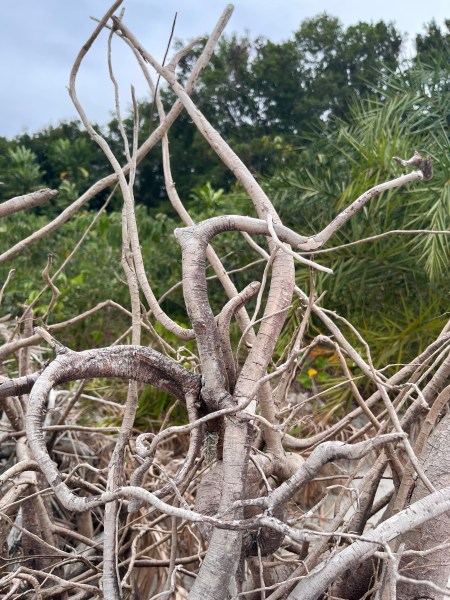
Having grown up in the U.S. on the east coast, it seems odd to view the Atlantic from the west. Below swaying palms, corpulent trunks of driftwood lay strewn across Libreville’s beaches, their chalky branches reaching toward the ocean with knarled, thirsty fingers. Tangles of roots like wild, messy hair add to the untamed seascape. The scenery is gorgeous, but the water near our house isn’t swimmable due to sewage, old shoes, plastic bottles, and shards of the forgotten. Perhaps Ramsay and I can participate in beach clean-ups and join the Sea Turtle Patrol we’ve heard about.

There have been surprises, good and bad. After accepting an impromptu invitation for a glass of wine on the beach to bid an embassy friend farewell whom we’d only just met, my mouth hung open slightly when bats appeared with the wingspans of crows and heads nearly as big as kittens. (not kidding). But the next morning, also taking flight, were uplifting lemon-yellow weaver birds, turquoise-tinged Kingfishers, and a grey and red parrot; the yin and yang of living in an exotic locale.

Parts of the city resemble the Caribbean, full of tropical vibes, dance music, and riotous color: the brightly painted houses, cheerful Hibiscus, lizards with orange tails, and exotic flora and fauna. As in many developing nations, the stunning beauty here is juxtaposed with dilapidation and brokenness behind the scenes, especially the trash on the shores.

In contrast, further afield, on the outskirts of Libreville, (via a forty-minute 4×4 drive over bumpy dirt roads through the edge of the Congo forest), lies a stunning, rugged coastline where sea and sky meld into a nickel-colored light of other-worldliness.


Along with its rich biodiversity, Gabon hosts malaria and other infectious diseases. Week One, Ramsay broke out in bright red hives from an allergic reaction. My Mama-brain went into overdrive for days as I sterilized sheets, towels, and surfaces. Should we treat it as something fungal or bacterial? Did it come from the ocean? the pool? new sunscreen? sand fleas? new plants, fruit juice, insects… or maybe from the laundry detergent? The Malaria Meds? ( I stalk mosquitoes in the house with my hands open in attack position as if they are tiny armed robbers). Alas, the source of the outbreak is still unknown, but we are enormously grateful Ramsay is on the mend.

The local food we’ve tried so far is good. Oil-rich Gabon imports 90% of its food, much of it from France. Commonly offered are grilled kabobs “brochette” of gambas, fish, or chicken served with rice, fries, or potatoes au gratin. The French influence is apparent in the grocery stores and boulangeries. To my delight, there are abundant cheeses, macarons, fresh baguettes, and good quality tea. And Mohammed at the unmarked Lebanese place near the airport makes very tasty Shawarma. We sit on his patio overlooking the main road (one of the few that are paved), where traffic is occasionally blocked by President Bongo’s siren-happy motorcade.

In an artisan market, I was informed that many handicrafts here are imported, too. However, I did find local bird collages made with butterfly wings (and I’m hoping this art was not created from illicit trade because I love this creation).

Awaiting our air and sea shipments to make our house feel more like home, I clean the screens and windows and re-arrange the furniture to claim this new space as ours. We engage with our new community of friends and begin to develop rituals, like having coffee on the beach, going outside to watch the sunsets, and sometimes indulging in local ice cream before lunch just for fun.

As we create wish lists of places to see, we remind ourselves on the difficult days to anticipate the magic that always comes with exploring a new land.

Bonne Journee,  Tracy


A Sacred Space


“There is an Indian proverb that says everyone is a house with four rooms:  physical, mental, emotional, and spiritual. Most of us tend to live in one room most of the time but unless we go into every room every day, even if only to keep it aired, we are not a complete person.”― Rumer Godden 

At 7:45 am, the car in reverse, something catches my eye in the review mirror as the garage door opens. It’s a bird’s nest in mid-creation; thin twigs and strands of field grass have tumbled down. A brief sadness floats through me, wishing she had chosen a sturdier place for her home, her work now dismantled.   

The fallen nest is like living abroad with its moments of feeling unmoored. I relate to her temporal housing, like a sandcastle eroding with a vanishing wave, or a hermit crab shedding its shell. International moves and occasional cultural mishaps have taught me to create a safe refuge; not just a house, but a home. 

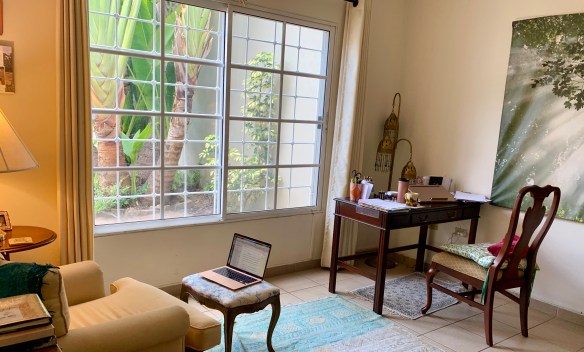
Post errands, I step with a mug of tea into the light-filled room that buoys my spirit. Through the open window, soft light spills onto the tiles and a gentle breeze rustles the palms. The curtains billow like sails, curling around the bookshelf holding crooked stacks of travel journals and stories of empowered women. 

Taking centering breaths, I sense the cosmic connection in this room; a haven for soul crafting and building castles in the sky. “A woman needs a room of her own,” Virginia Woolf said. This is where I begin my morning ritual of meditation and writing. I call it my sanctuary, a space to hear my thoughts and seek inspiration. 

Each time we change houses, I claim a space as mine, surrounding myself with favorite photos, art, and travel mementos that feel like me; a snapshot of the world from my perspective. 

Like the concept of “Wonder Rooms” (from the German word  Wunderkammern) in the Victorian Era, when cabinets of curiosities were popular, I display my most cherished objects: rosewood tea boxes with stationery collected from museums and hotels, the mint and gold silk carpet I hand-carried home years ago from Marrakesh, a special hand-painted porcelain globe.  I light a candle, which stands proudly in its decorative stand from Kusadasi, relishing memories of standing in the Blue Mosque and exploring markets across Europe. 

A nest made of Vetiver root from Swaziland holds shells and feathers, and an Italian glass dish cradles healing stones and talisman. A dented singing bowl rests alongside a bottle of ink from Paris. A lantern with stars and moons illumines the corner of the room.   

I roll out my yoga mat, spritzing a blend of essential oils into the air.  Sanity returns and I feel myself expand in this sacred space where I rekindle dreams and am restored.

“I have sometimes thought that a woman’s nature is like a great house full of rooms: there is the hall, through which everyone passes in going in and out; the drawing-room, where one receives formal visits; the sitting-room, where the members of the family come and go… but beyond that, far beyond, are other rooms, the handles of whose doors perhaps are never turned; no one knows the way to them, no one knows whither they lead; and in the innermost room, the holy of holies, the soul sits alone and waits for a footstep that never comes.” – Edith Wharton from her story, “Fullness of Life:”

Do you have a sacred space or nook? 

What are the precious objects that make you feel grounded? 

Namaste, 

Tracy