
Collins Dictionary describes non-linear as “Does not progress smoothly from one stage to the next in a logical way…makes sudden changes or goes in different directions at the same time.”
Most days, we thrive on our non-linear, unpredictable Foreign Service journey, but It’s “PCS” season in the diplomatic community here, which stands for Permanent Change of Station, and I’m wishing for a smooth transition, especially as a U.S. federal government family in the current political climate. While bidding for our next assignment these last few months, we thought briefly our family might be moving to Turkey, then chances were good for Prague (for which I was pining), however, now we will land in DC this summer for two years.
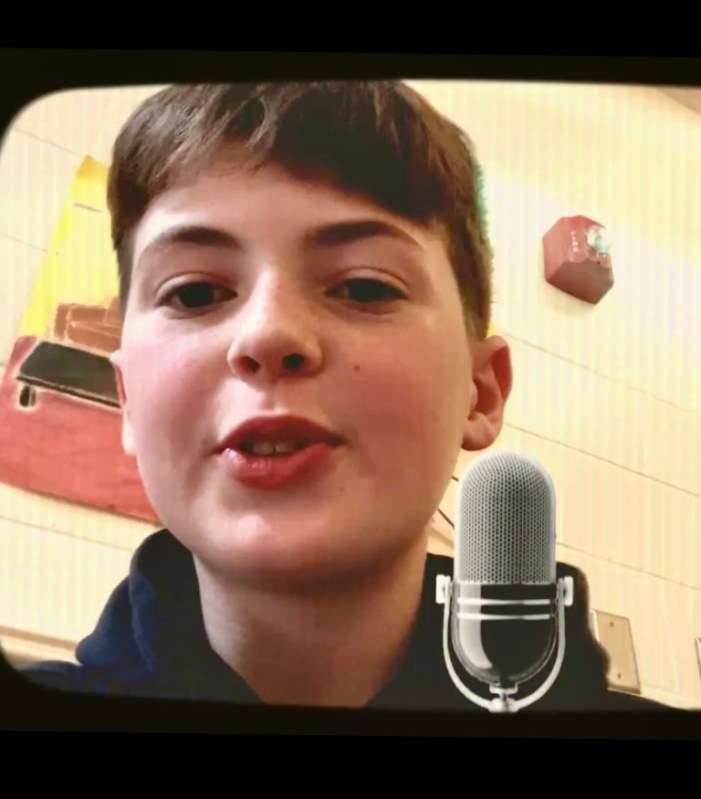
After more than a decade abroad in Swaziland, Cairo, Honduras, and Gabon, the best part of repatriation will be the proximity to friends and family, especially, reuniting with our son who left for boarding school one and a half years ago after a military coup. We’ve had holidays and breaks together, but in between, contact has mostly been via video chats and I cannot wait for us to be back under one roof as a family.
Returning to America, we know to expect some reverse culture shock and necessary adaptations. Focusing on the positive, there is the anticipation of choosing which property we get to live in, a change of seasons (sweaters and boots!), drinking water from the tap, smooth roads accompanied by (mostly) civil driving rules, ample electricity and countless conveniences, like quick trips to the store without hunting for ingredients, browsing the library for a book in english, and the instant gratification of finding the essentials without much hassle.
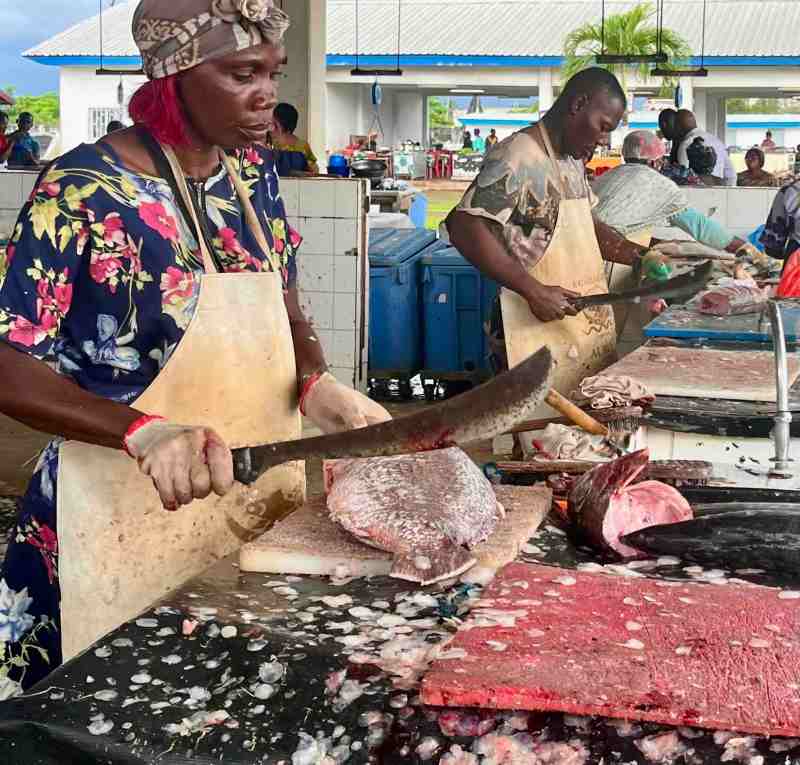
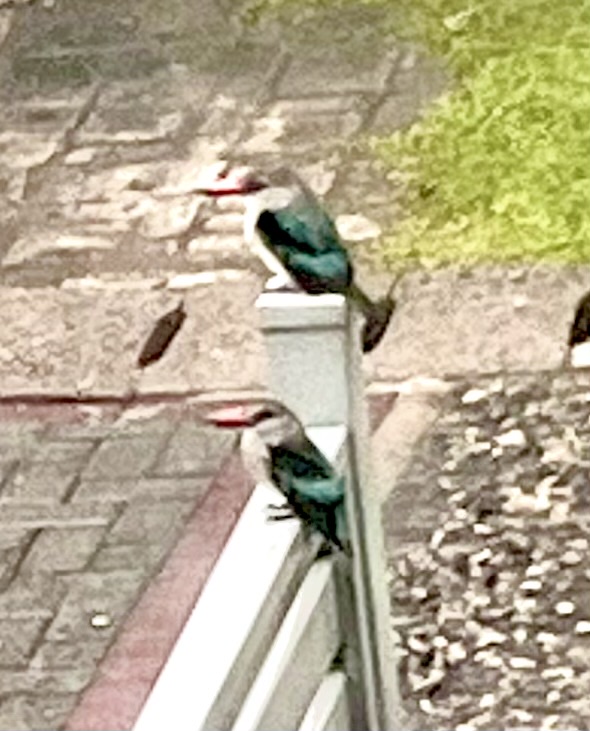
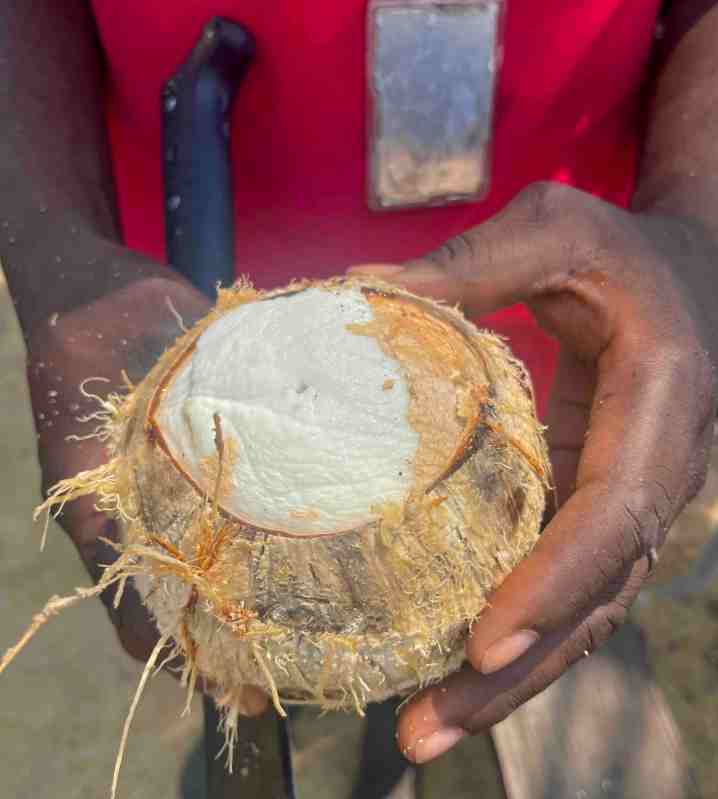
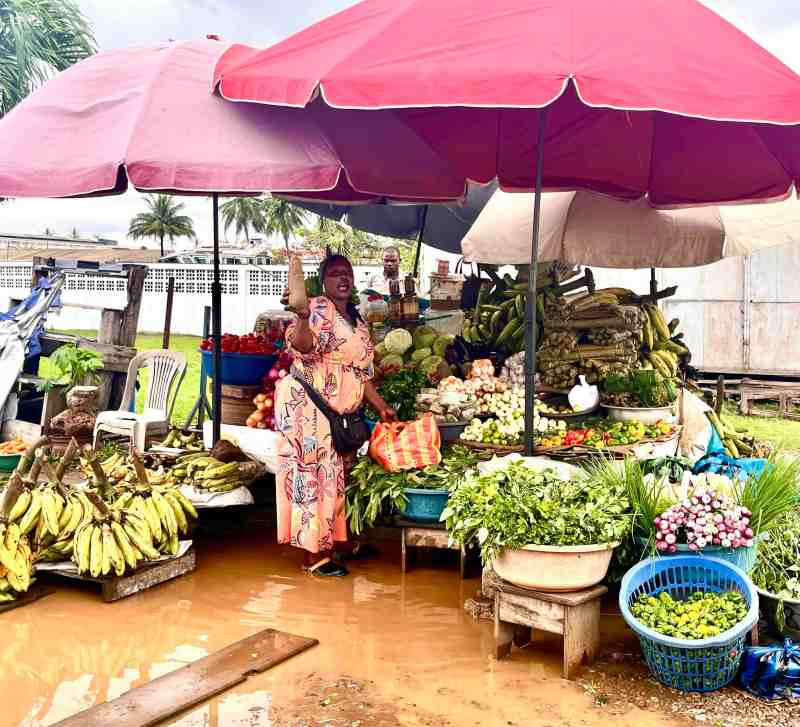
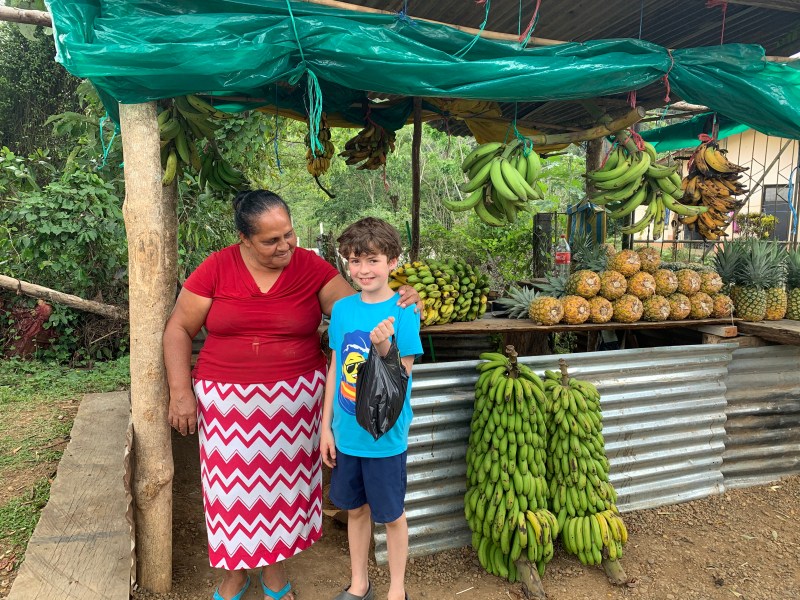
But, how I will miss our dear friends, conversing in foreign languages, and the rich cultural experiences and adventurous travel. I will miss buying produce and fish from the source and the unexpected gestures of kindness, like the gardener gifting me a fresh coconut. And the stunning beauty of fiery sunsets near the equator, watching storms roll in next to Kingfishers perched on our fence, and the wild vibrancy of our surroundings.




I’ll even miss the frequent life lessons that come fast and hard in developing countries, challenging us to find solutions without the resources and tools we’re accustomed to; at times living with instability and even fear, operating far beyond our comfort zones. Learning to do without and living on less. And the important, constant reminders that as Americans how fortunate we are to have access to clean water and air, sturdy living quarters, stable food sources, education, accessible healthcare and the protection of human rights – all of which far outweigh what we’ve witnessed in Central America and Africa. (Unlike what the show “The Diplomat” portrays, our life is a lot more grit than glamour).
Out of necessity, I’ve reinvented myself in each of these foreign lands. Through building community and a life for our family, one hurdle at a time, I’ve grown emotionally stronger, braver, and more self-assured. Since I’ve been unable to consult overseas in my field (illicit finance, deemed a conflict of interest with my husband’s job), I’ve shifted to writing, public speaking, developing a deep spiritual relationship with nature, and cultivating a quieter lifestyle.
Repatriation will take resilience and patience. We’ll need to find a car, rent a home, register for school, and furnish a house- parts of which will come to us in stages: a few hundred pounds of household effects (clothes, linens, kitchen utensils and things needed sooner than later) from Gabon will arrive by plane, followed by crates full of carpets, furniture, and goods that will make a longer journey by cargo ship.
Back on American soil, I’ll be interested to see who I will I become. I’m secretly afraid I’ll lose my wilder spirit–that it might get buried or swallowed up by box stores instead of roadside markets, or by the ease of days spent mostly indoors and without having to tap into bravery and daring. But I imagine although our lifestyle stateside will likely be faster-paced, it will also be more even-keeled, safer, and less like living in survival mode.
As a more relaxed mama with our child at home, perhaps I’ll once again sleep through the night. And, after a long hiatus in my career, I’ll navigate reentry into the work place in a way that feels meaningful. It might take a while, but the house will come together–quirky as it may be–and we’ll start 8th grade and new jobs, discover new friends, activities, and spaces to explore. Also, after grieving the recent loss of our sweet Golden Retriever, “Biscuit,” we’ve promised our son we’ll consider becoming dog owners again once we’re settled.
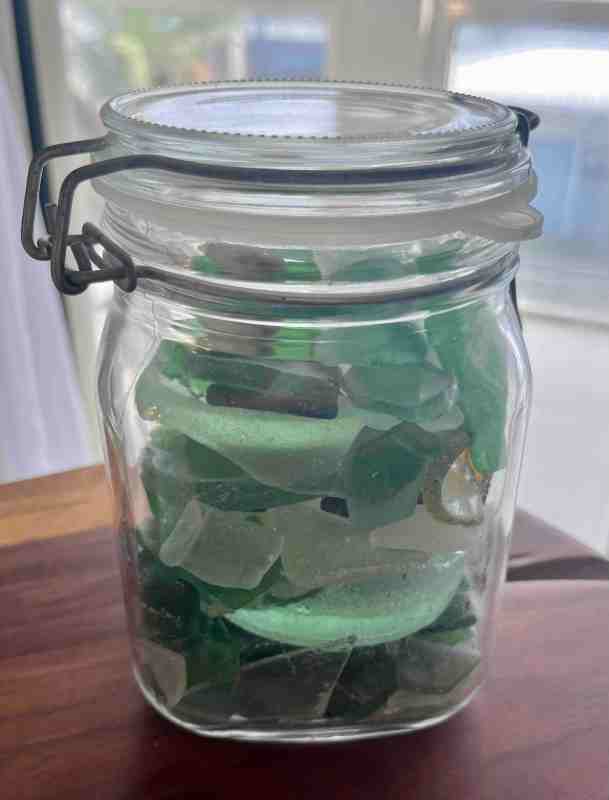
On this new journey home, to blend the past with the present, we’ll bring along talismans collected during our time abroad— local art, sea glass, shells, and feathers– all imbued with moments we’ll cherish.


Cheers to “fair winds and following seas.” We hope you’ll come visit us next fall in Arlington and create new memories with us.
Peace, Joy, and Light, Tracy


 Carpe Diem Creative