Going Off The Grid

I got a wild hair. Perhaps because I was asking our young son to be brave about boarding school, I wanted to do something brave, too. So, I signed up for a rustic, four-day yoga retreat in a remote African rainforest with a group of strangers.

The retreat leaflet provided little information- just the words “Sharabi Village” with a few pictures of a brown lake and four wooden structures: a one-story lodging cabin, an eating area, an open-air yoga platform, and a shared shower/bathroom building. We six yogis were told by Ananda, the yoga instructor and owner of Sharabi Village (population: 12) that the trip would take about four hours by boat and car. He asked us to bring a bathing suit and bug spray. The retreat would be in French and the meals would be vegetarian.

A few days beforehand, I looked up directions to Sharabi Village in Google Maps, which responded, “can’t find a way there.” I nearly bailed, but met a new embassy friend who said she’d go, too. We’d attended one yoga class together then paid in cash for an experience called, simply, “stage d’eau,” or “water internship.”

Life near the equator is always warm, but on the morning of departure, the heat was unusually intense. I climbed into the cab of a pick up truck, wondering if I’d made a huge mistake. My friend and I sat quietly in the back seat and watched Libreville fade into the review mirror. My cell phone tracked us on GPS for only the first 40 kilometers, then we fell off the grid. Pavement gave way to gutted earthen roads that kicked up dust the color of fire. Store fronts ceased, replaced by sporadic market stalls. Palm and banana trees dotted the rural landscape and a young boy walked along the roadside, arms weighed down by jugs of water.

Two hours into the journey, we stopped to refuel the two vehicles (and find bushes for the loo). Back at the truck, I was offered something dark and round from a plastic bag. We were far from medical help and I was skeptical to try it. “Nut,” I was told. I scraped it with my front teeth to look inside. It was a raw almond, softer in texture than ones I’ve tasted. “Thank you for trusting me,” Ananda said. I prayed my intuition was serving me well to do so.

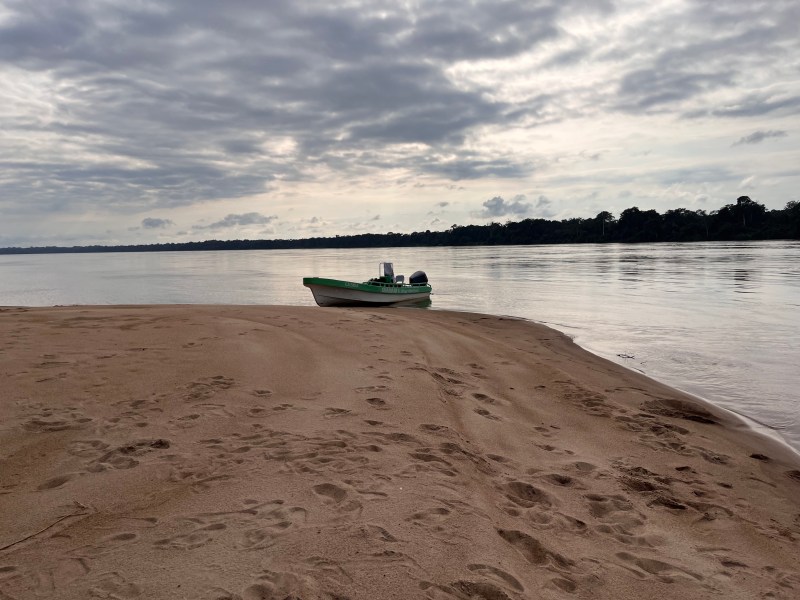
In the town of Bifoun, we exited the truck with our bags and boarded a boat. Our fellow Gabonese yogis threw coins into the river as an offering. One poured juice over both sides of the boat for good luck. Our interaction with water had begun. The breeze was a magnificent reprieve from the heat- that is, until we docked at the edge of Lake Ayem and a thick cloud of mosquitoes and humidity enveloped us. It was hotter than any August afternoon in south Georgia I could remember, and I expressed silent gratitude for my straw hat and anti-malaria meds. “Bonne Arrivee,” Ananda said. Happy Arrival.
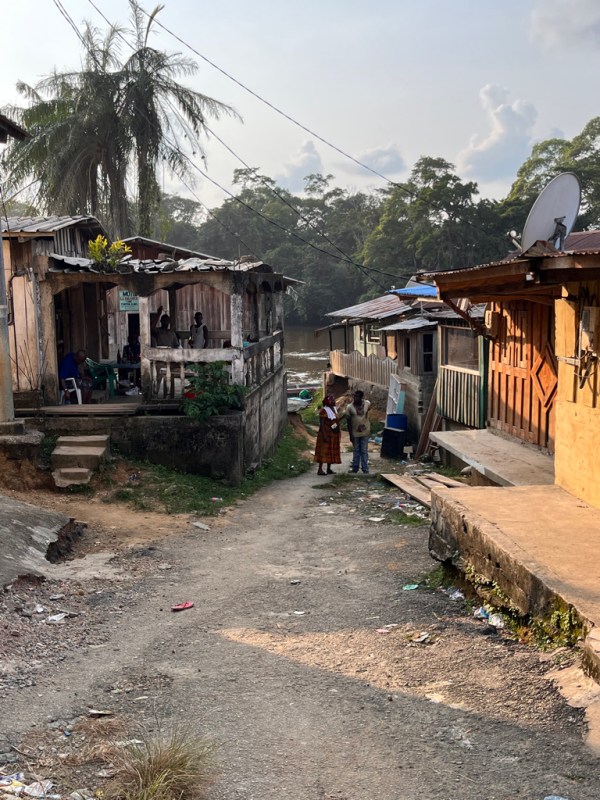
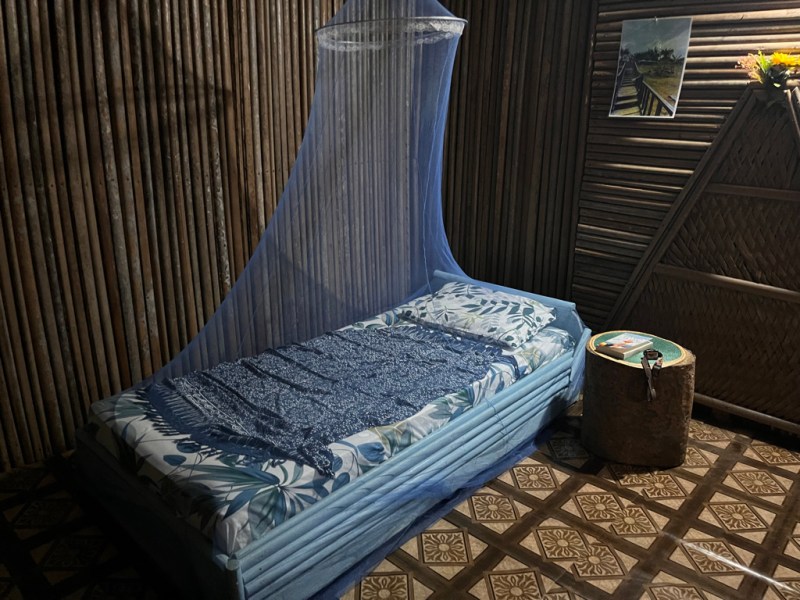
I chose one of the wooden doors along a long corridor and put my backpack down in a room. There was a single bed with a fitted sheet and a mosquito net, one small screened window, and no moving air. The tin roof created a greenhouse effect like a pressure cooker and I was pretty sure I was going to have dig really deep to endure this. Adding to the doubt were flying and biting critters in my room, undeterred by my 40% Deet bug spray. I swiped at something crawling on my upper arm then realized it was just my own beads of sweat. Please let it cool down, I begged the universe as perspiration from my forehead dripped into my left eye.

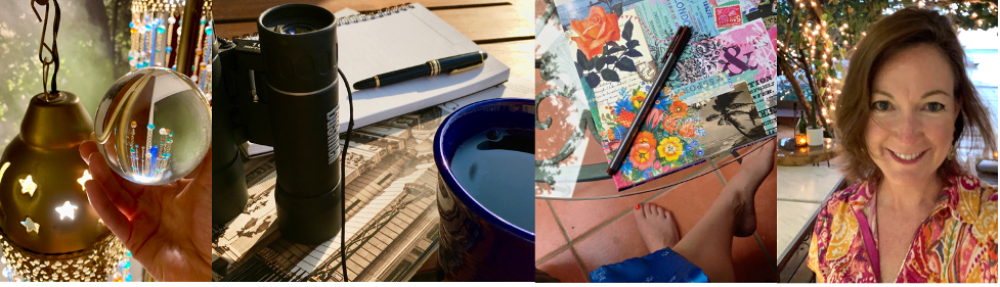
For the third time, I checked my phone and had no service. There would be no calling Brad to come get me, (not that anyone would know the many road off-shoots and river turns to get here). We had a few hours free. It was too hot to read in my room. I considered showering, but then I’d just be hot and wet and have to reapply bug spray. I sighed loudly, resigned that I’d be permanently pink and sticky all weekend. Better to make the most of it. I grabbed my journal, a pen, and headed for a hammock outside.

This gentler, prettier part of Gabon started to work its magic. A monarch butterfly danced by. I turned toward exotic bird calls in the trees, spotting toucans and grey and red parrots. Ananda walked up. “Take off your shoes and feel the earth. Empty your thoughts, Tracy. The novel you wish to write comes from spirit, not from the mind. Put down your book and take a walk instead,” he instructed, pointing to the forest. Begrudgingly, I did so.

At 5pm, an old-fashioned fire bell rang outside the wooden structure for yoga. Banana leaves covered the dirt before the stairs. The word EAU was written in stones on the entrance floor. Ananda played Sanskrit music as we got centered on our mats. I sat cross-legged and wiped a slick sheen from my face, then lower back, pushing away my strong desire for air conditioning.

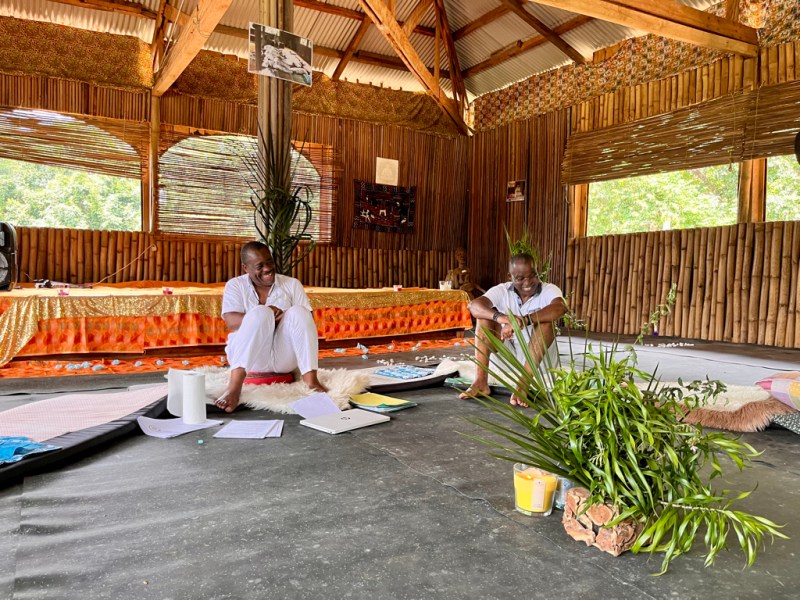
Respire. Relache,” (Breathe. Release,) Ananda said, kicking off our ninety minutes of yoga and meditation in French. I quietly translated for my friend. Mostly, we just copied Ananda’s graceful movements meant to open our chakras, raise our frequencies, and regenerate fresh energy. At the end of the session, we formed a circle and passed around an obsidian sphere. One by one, we held the black stone and shared what we were grateful for. As we were dismissed, generators provided lights in the bathroom building and in our rooms for a couple of hours.

The stream of cold water in the shower felt amazing after its initial shock. More surprising was a snail, the size of a conch shell, that appeared on the path back to my room during my four-minute rinse. It looked like a character from Alice in Wonderland and I watched it slither away in awe.

By the time the dinner bell sounded, I’d worked up an appetite. Like a little kid, I plodded barefoot across the property and was the first to arrive in the dining area, waiting and willing the others to show up. We politely served ourselves from the long buffet table, sampling dishes of button mushrooms in tomato sauce, sauteed sorrel, fried potatoes, assorted fruit, pasta salad, and hunks of bread, (while avoiding the sugar ants marching across the rim of the dishes). Drinks were hot tea, water, or “bisap,” a sweet, cold hibiscus drink that reminded me of Cairo.

We dispersed to tables and chatted briefly. The food was delicious and plentiful. (Unsure of what to expect, I’d packed granola bars, but never ate them). After dinner, we returned to the enchanting open-air yoga space where candles had been lit. Ananda spoke of a Japanese man named Emoto who’d experimented with speaking loving and unkind words over separate bowls of water. Under a microscope, the loving water crystals stayed clear and the water crystals that received ugly terms were murky. We then each drew a circle on blank paper and wrote our desires inside. We filled glasses of water, placed them on top of our circles, then meditated over the water with positivity. Afterward, we were asked to wake in silence at 5am the next morning to reconvene for meditation. There would be no talking before breakfast. (We carried our glasses of water like a pet to and from our rooms for each yoga session and told not to drink it- yet).

Some time after 9 p.m., although darkness had fallen, the temperature in my room had not. I peeled off the clothes clinging to me with perspiration and lay under the mosquito net, listening to the night sounds. Frogs and crickets echoed outside. Inside, flies buzzed, mice chattered in the wooden beams, and someone snored in the next room through the thin wooden wall. I read with a flashlight, too tired to be agitated by the heat, and eventually slipped into slumber.

At 4:50am, the gong sounded and the day began. For some reason it hadn’t really registered for me that at a yoga retreat, I’d be doing yoga and meditation for several hours a day- before breakfast, before lunch, and dinner. By the end of day two, I’d memorized many of the songs in Sanksrit and my whole body was sore (but also relaxed).

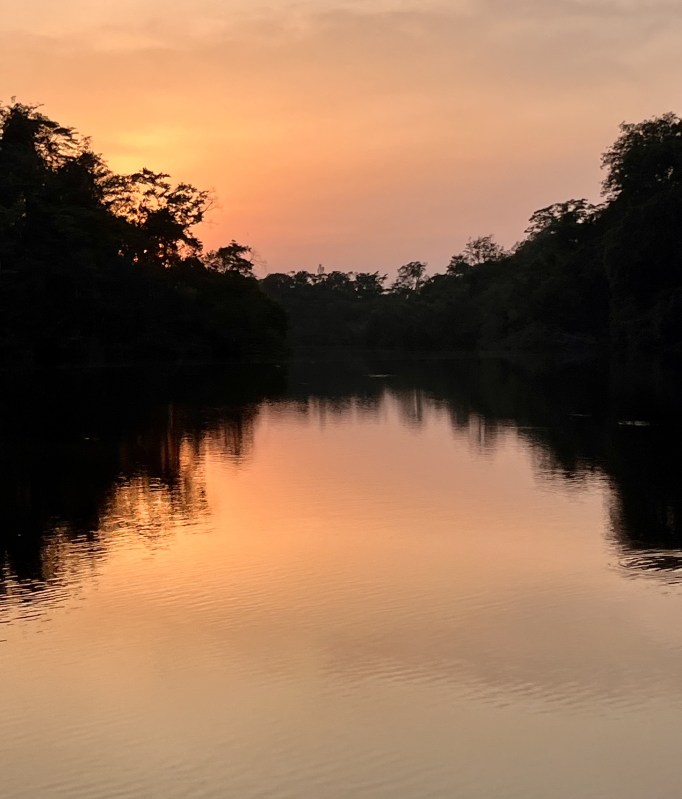
Over the next two days, we chanted at a miracle tree, washed dishes and swept the floors as we meditated, swam in a velvety, cold river, released fears and negativity into a vessel of water which we poured out. We gave offerings to the forest and hiked through dense, slippery underbrush behind a guide who cut a path with a machete. We learned how much bites of “fourmis,” African fire ants, hurt, and how thick mud can suction your shoes right off. We spoke our desires into a waterfall and took a boat ride back to the village under the stunning tangerine glow of sunset.

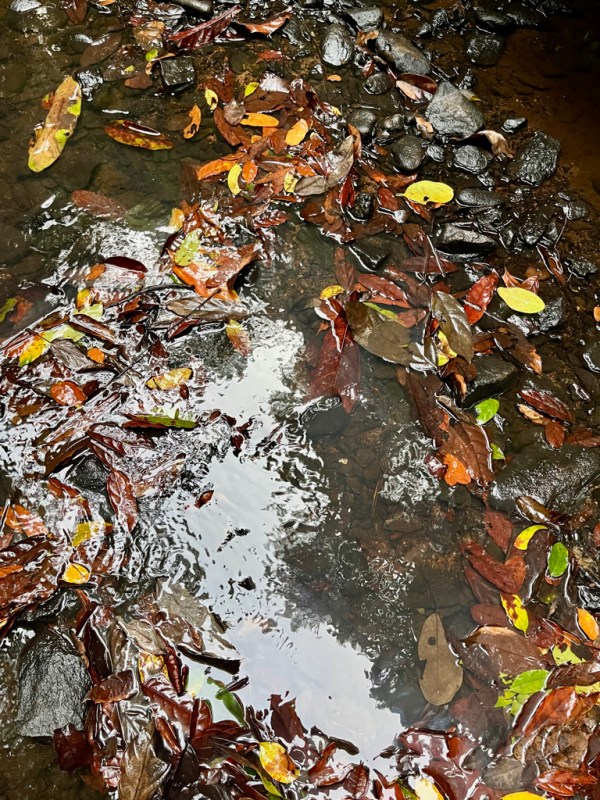
After unblocking our channels and raising vibrations, I felt my mind quieting, my pace slowing, and my strength and patience growing. In a closing ritual, we drank our glasses of water that we’d meditated over to ingest our written desires. We then burned the papers in a bonfire and watched luminous embers rise into the sky.
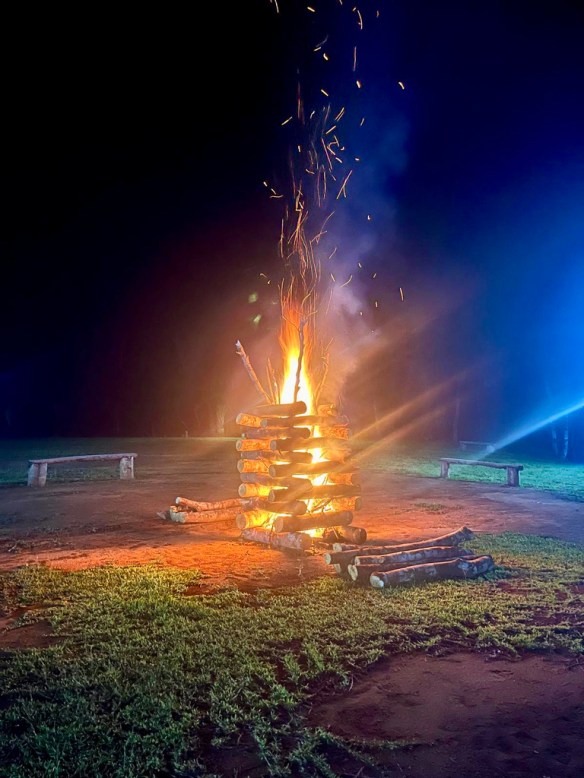
Those four days were the hottest I’d ever been, but what started off as almost a dare to myself-to be brave and get outside my comfort zone-became an important few days of self-care. After the hours of reflection, exercise, connection to nature and spirit, simple meals, and the detox from technology, I left the yoga retreat feeling fluid in my limbs, truly peaceful, and deeply content. My French had improved and I slept better those first several nights home than I had in years.

Sat Nam,

-Tracy

A Coup d’Etat and Chasing Lions

Dear readers, apologies for my radio silence. Truthfully, I’ve needed time to process some lifestyle changes, but don’t worry, there’s a happy ending (and lots of photos with smiles below- keep reading). Have a seat on my virtual soul sofa and I’ll fill you in.

30 August, my son Ramsay and I were due to return from Atlanta to Gabon after summer break. I was sound asleep at my mother’s house when the phone rang in the middle of the night. Unknown Number from Washington, D.C.

“Press 1 if you are safe,” the State Department computer call said.

I did so, and then the line went dead.

My pulse raced. If the government was accounting for the Americans posted to Libreville, something had gone awry- and my husband, head of security for the American Embassy in Gabon, would be in the thick of whatever emergency was happening. Presidential elections had been held a few days earlier. My last update was that officials were still counting the votes. I texted and emailed Brad. It was five a.m. in Africa. I knew he’d be awake, preparing for potential unrest after the results were announced.
Half an hour passed. No response. An hour. No response. I tried his work number. I messaged every app, including Facebook, which he never checked, but just in case… still nothing. I texted friends in Libreville with young children, who’d be up, bleary-eyed, having coffee. Not a word…from anyone. Panic set in. Unbeknownst to me, Gabon had gone dark: no internet, no cell service.

Forty minutes later, a message pinged my cell from Air France, “Time to Check-In for Your Flight.” My intuition told me I wouldn’t be needing that boarding pass. I ignored the message, wondering how close to takeoff I could cancel.

Another Unknown Number rang. I gripped the phone, then sighed with relief. It was Brad- on a satellite call. He was safe at the embassy, as were all mission personnel. There’d been a military takeover in the early morning hours with gunfire, but so far, no fatalities reported. The Bongo family’s reign, toppled after half a century… would there be a counter-coup? Gabon was on tenterhooks. Curfews were imposed.

“There are reports the borders are closing. Stay in the States until I know more,” my husband instructed. “I’ll check in as soon as I can. Gotta go. I love you.” He hung up.

I sat in stunned silence. The words closed borders echoed in my head, reminiscent of Covid. When would we be able to return home- weeks? months? Ramsay and I were no longer on vacation- we were now in exile from our country of residence.

As news unfolded, it was determined there was no longer an adequate school (one held to American standards) for Ramsay to return to in Gabon. I darted to Barnes & Noble to buy a “Summer Bridge” sixth-grade activity book as a loose guide. Ramsay and I began a very haphazard online program that week with me as an unsure teacher.

We were both delighted to ditch it all for an impromptu visit to Disney World and Universal with our cousins. Ramsay had never been, and we needed distraction big time. A few days of roller coasters and wild rides turned out to be the perfect antidote for our churning thoughts.

To our great relief, ten days later, Gabon’s borders re-opened. With suitcases packed and new flights booked, I said to one of Mama’s neighbors, “I might be getting too old for this Foreign Service lifestyle. I crave more stability in our lives.”

“Tracy, most people need more stability than a coup d’etat,” he replied with an amused smile.

Once happily reunited as a family in Libreville (including Biscuit, our Golden Retriever who adores everyone yet retrieves nothing), Brad, Ramsay and I had several serious discussions to chart a new future plan. With a river of tears, we collectively decided the best course of action was to send Ramsay to boarding school.

“The State Department will send you anywhere- England, Europe, South Africa…it’s your choice,” we told our son who’d spent his life overseas. We had to narrow down options quickly. Rams chose America, close to family. We spent weeks virtually touring schools and submitting copious applications. We are proud to report that Ramsay was accepted to his top choice in the U.S. and will start in January 2024.

Outwardly, we celebrated. Inwardly, I fell apart. I expected our only son to leave home at 18, not in the 6th grade. I’ve had big emotions to work through. With Brad’s selfless encouragement, I planned an adventure for Ramsay before his departure from the continent. (Brad wasn’t able to go with us). Zambia seemed to have everything we were looking for; a safe country, abundant wildlife, not too far of a flight, and plenty of magic with stunning Victoria Falls.

On the eve of Halloween, from plane seats 21 A and B, Ramsay and I gazed at billowing cloud formations and the vast earth below. A sense of wonderment I’d been missing returned and I knew we’d made the right decision. “Enjoy your holiday,” the captain announced as we stepped onto the tarmac in Livingstone. Enjoy it, we did. Our ten-day trip was even better than expected. Here are the highlights:

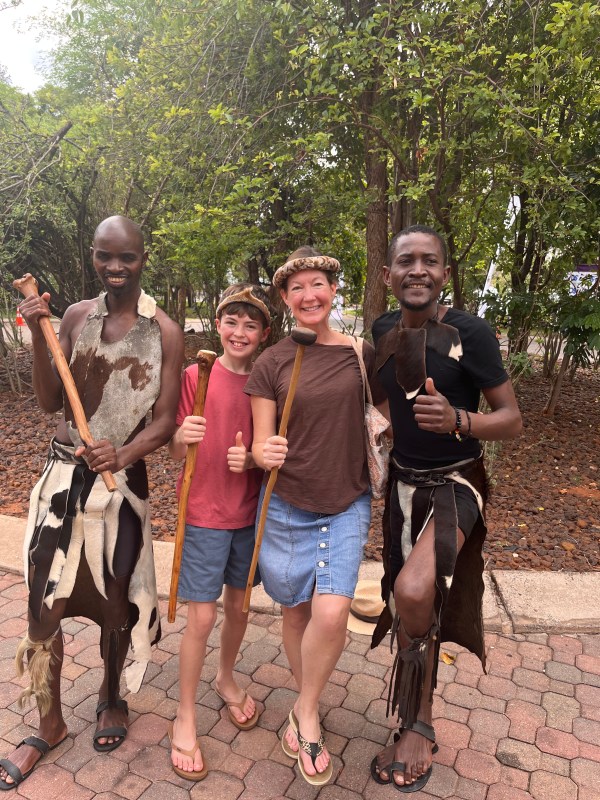
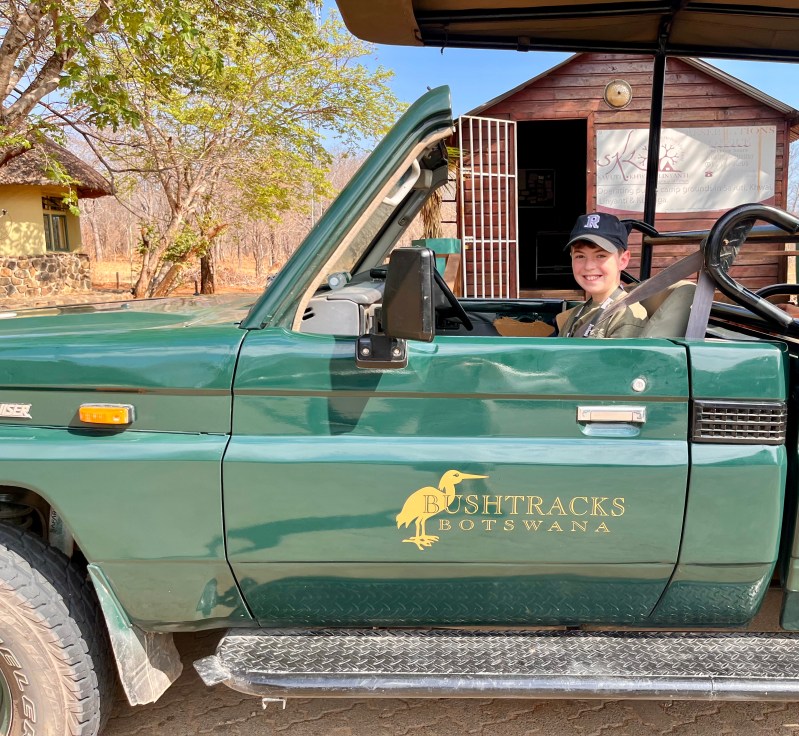
Ramsay loved that our Bushtracks driver from the airport was named Arson, who told us the local currency was called “kwacha.” He showed us a baboon crossing the road on our way to the Avani Hotel, where zebras grazed like horses at the entrance. “Look! The baby zebra’s stripes are brown,” Rams noted. We were greeted by tribesmen who sang and danced outside the lobby.
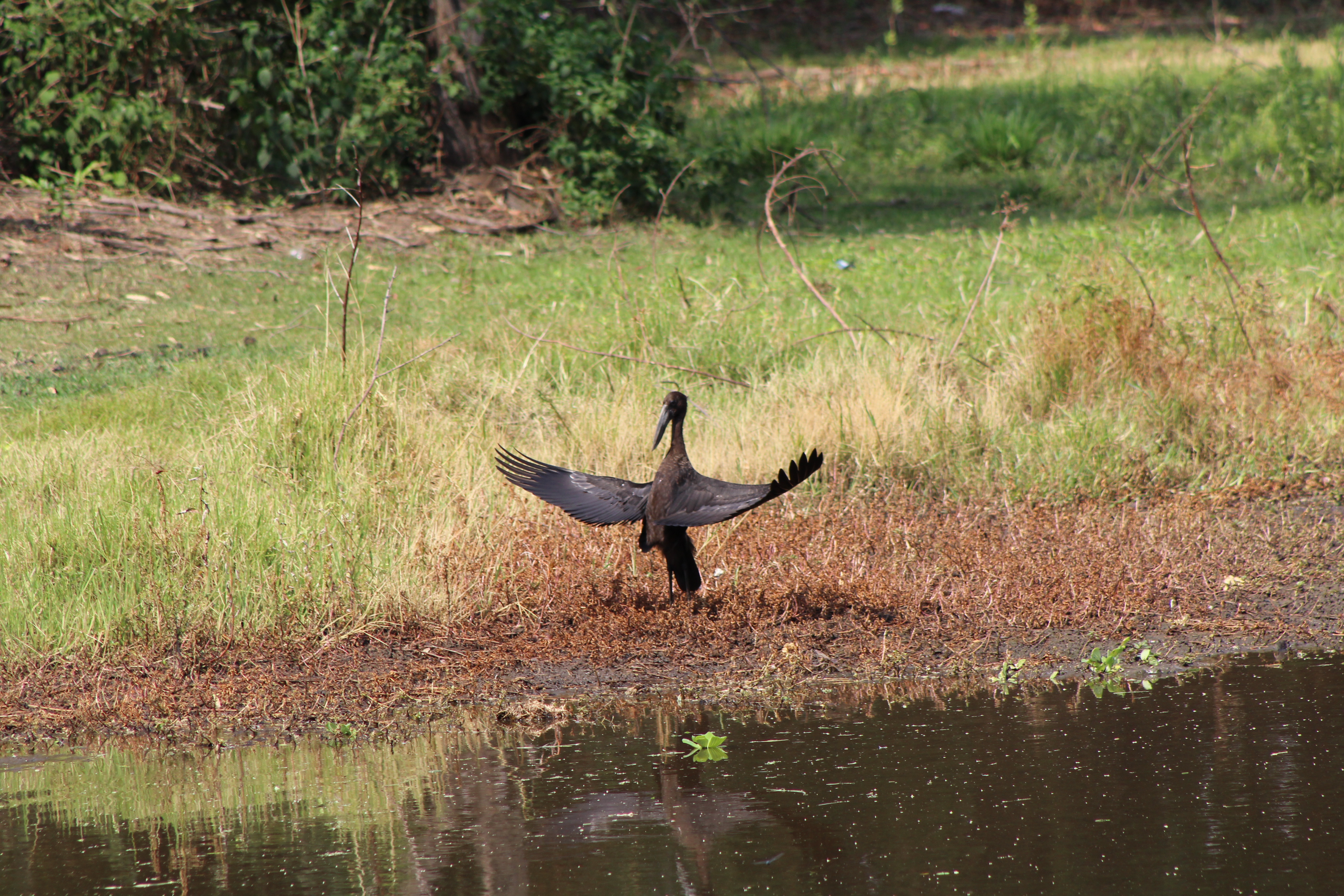
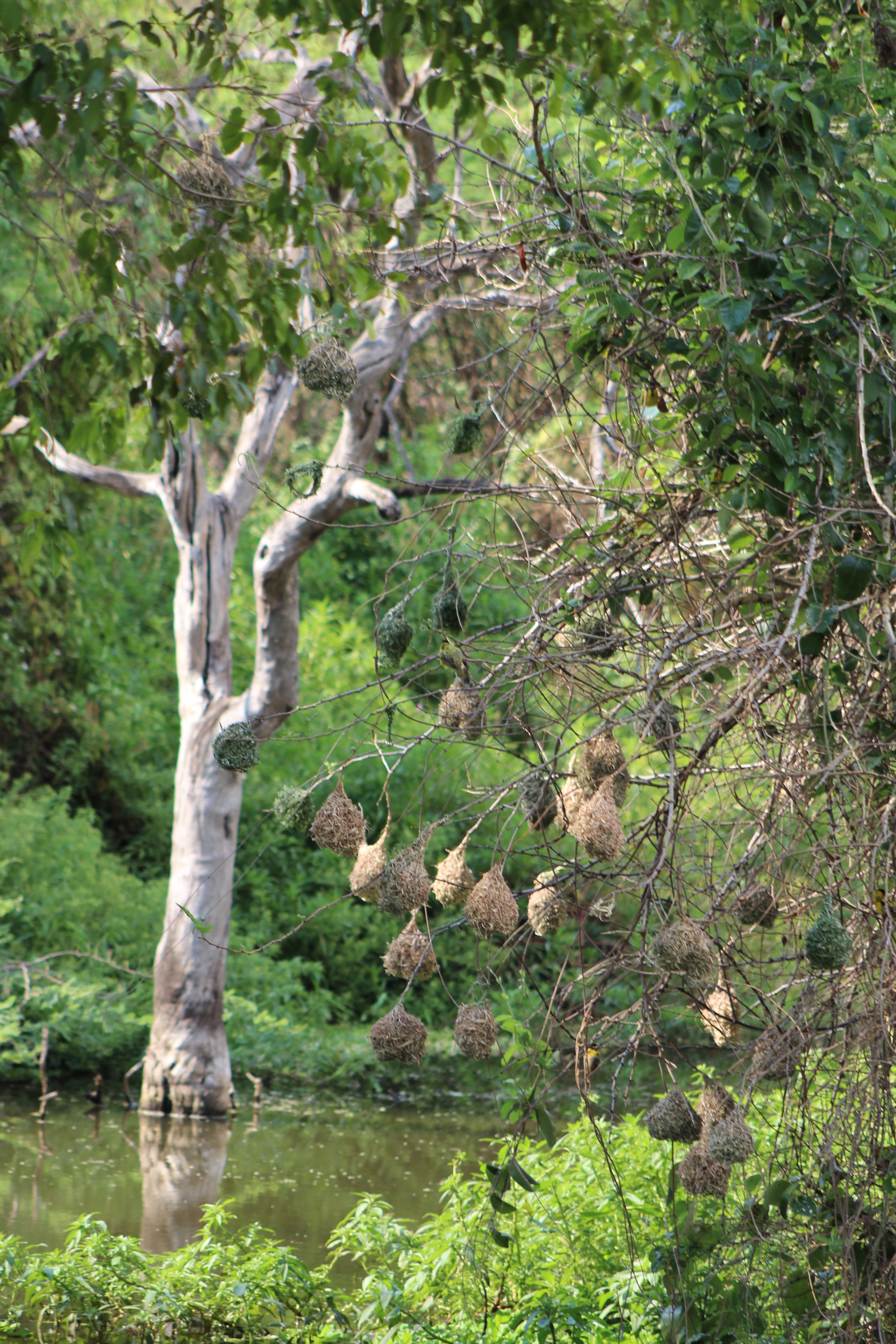
Our room had a view of watery reflections in a pond, where tall birds fished and dried their wings. Popping yellow weaver birds swung on their nests, artfully grouped like a cluster of grapes hanging over the water. A monitor lizard slithered from a rock and a curious monkey peered into our window. Was this place real? Big grins spread across our faces.

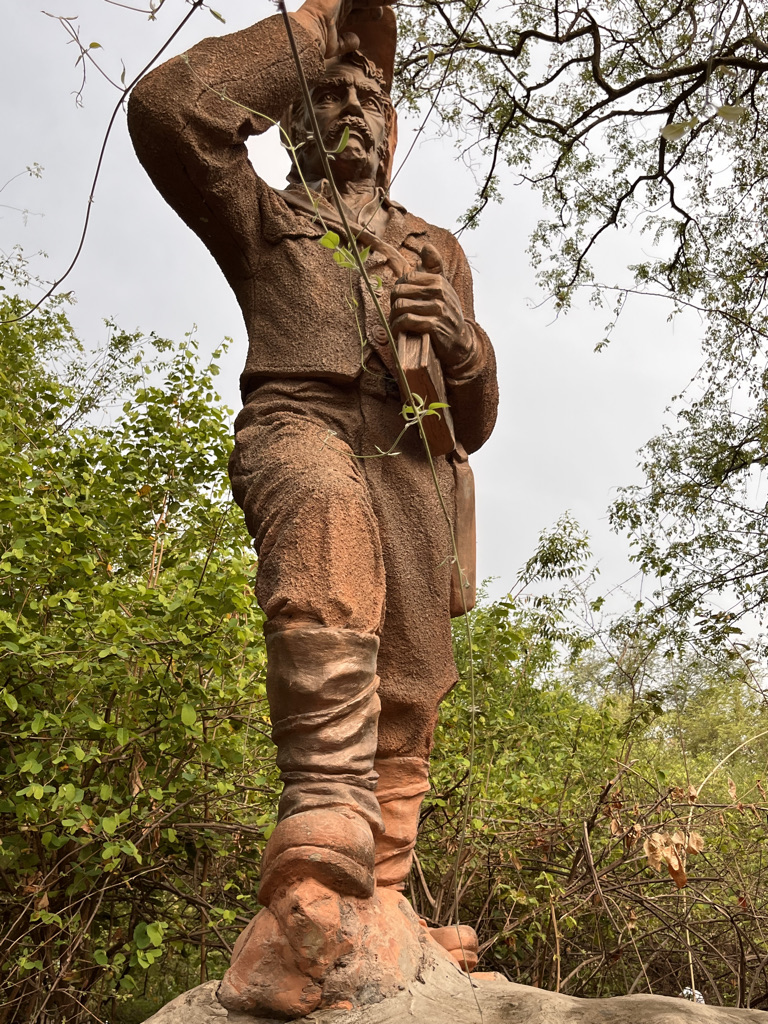
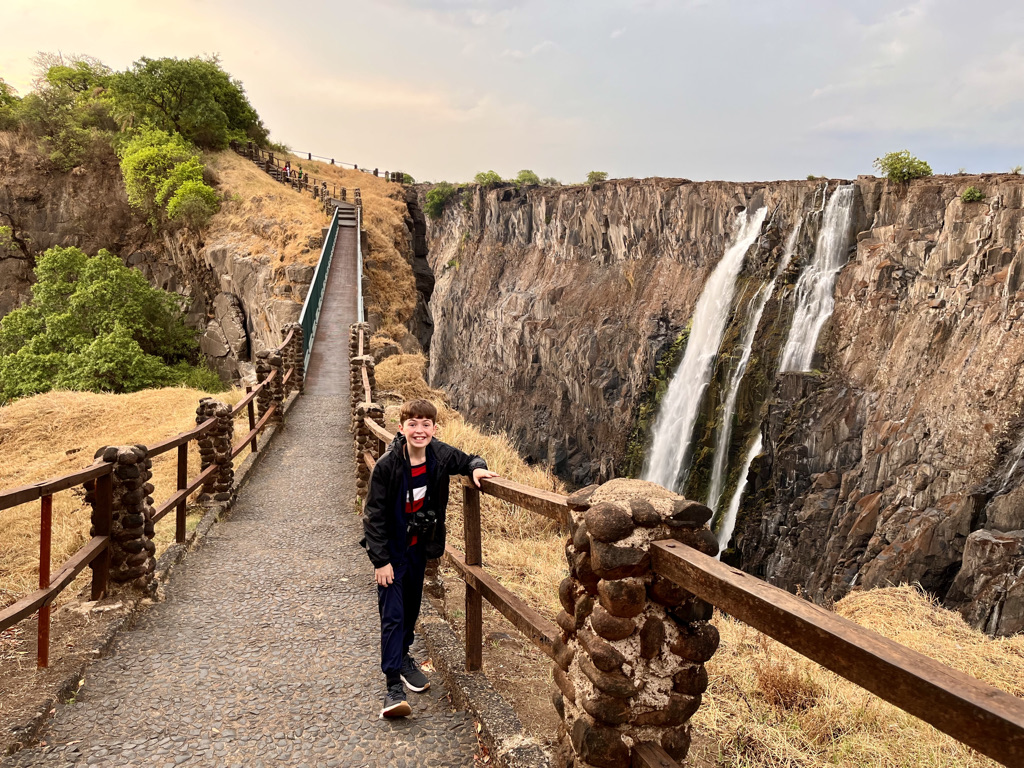
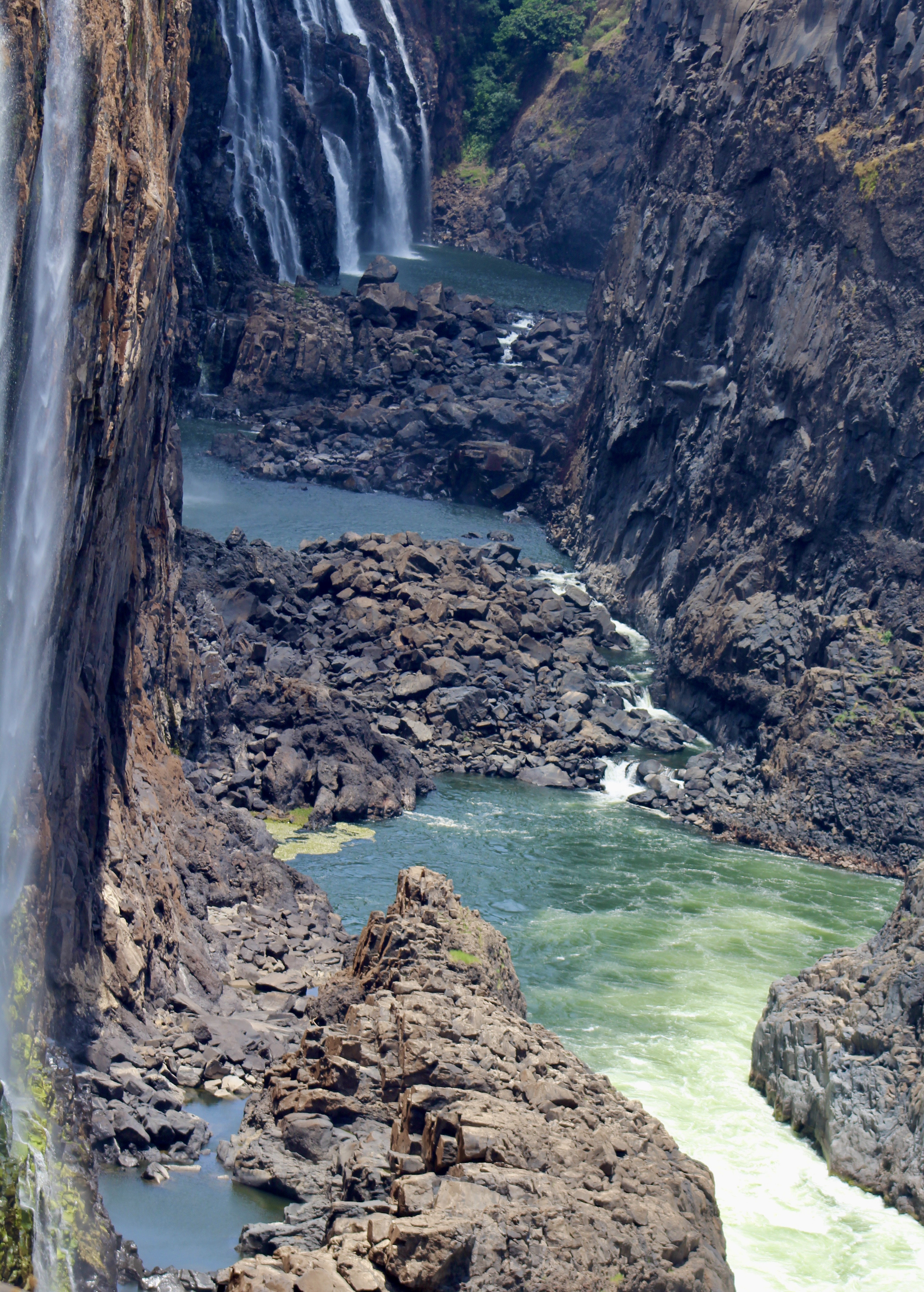
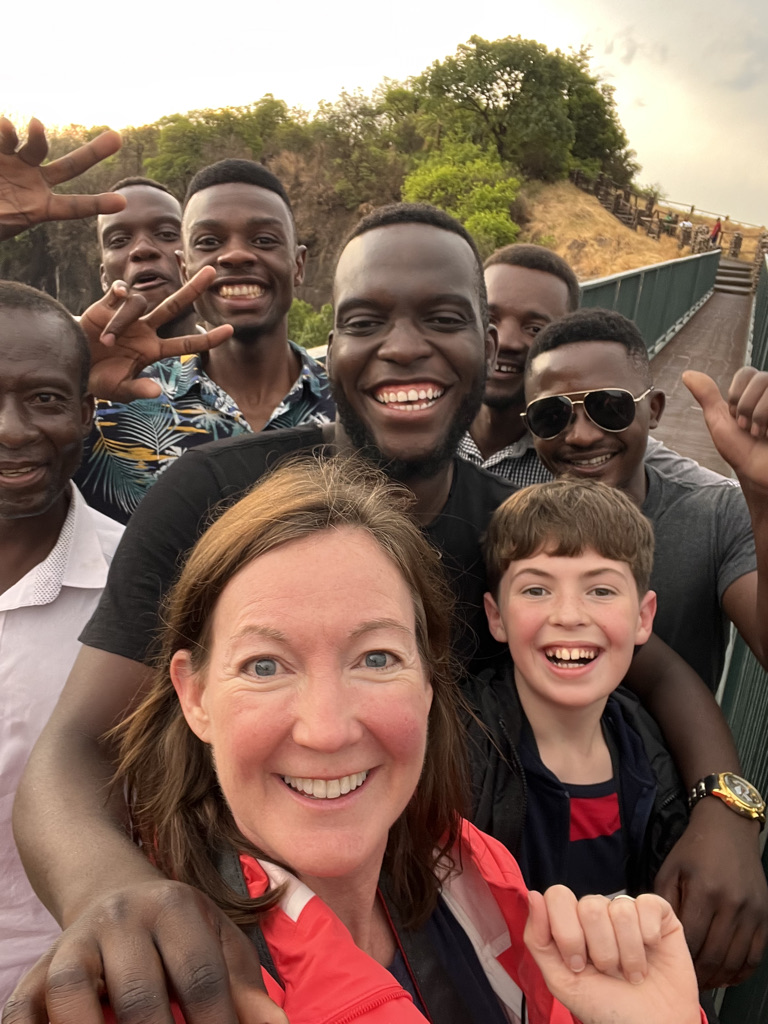
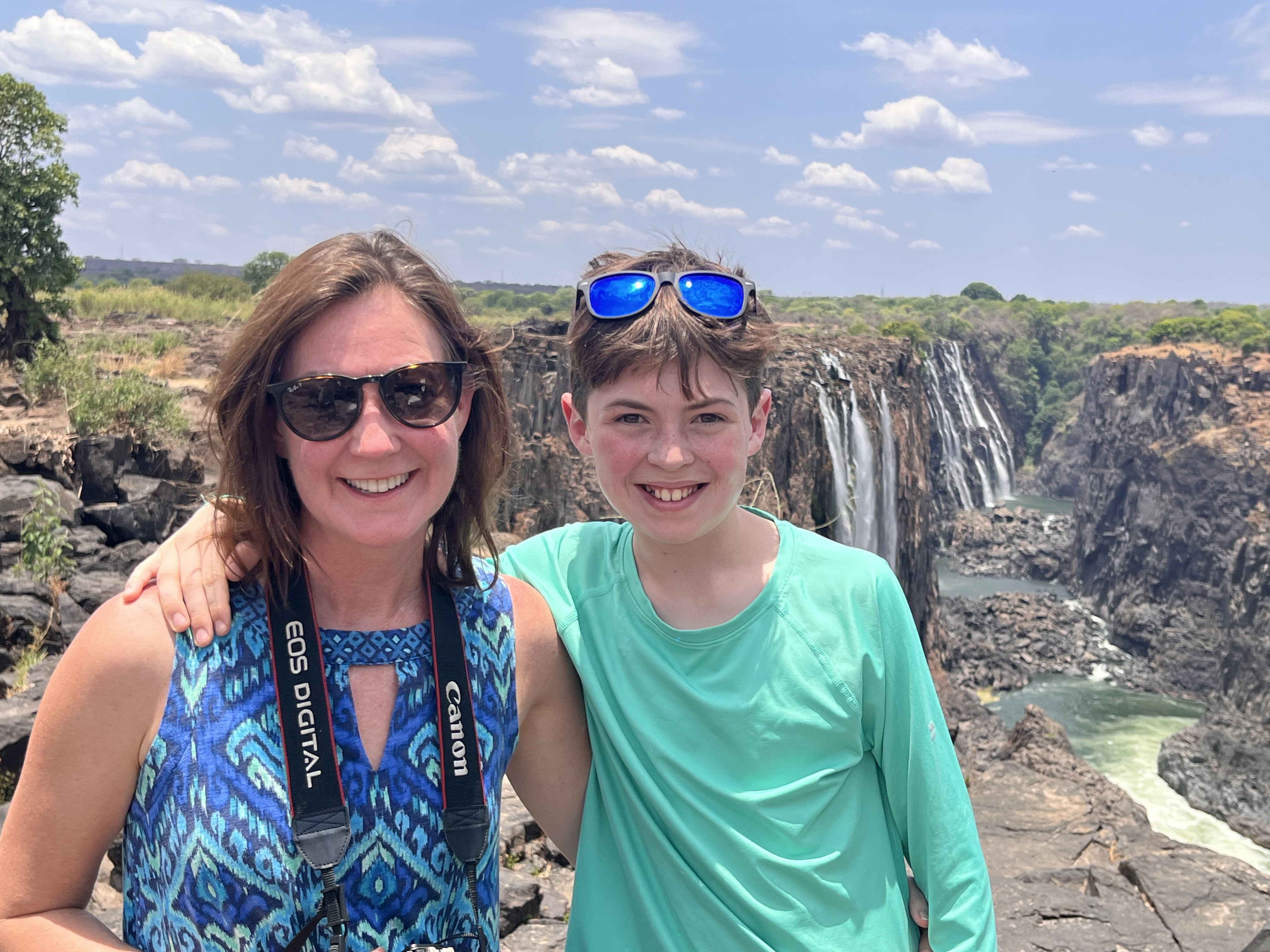
We hastily unpacked. With binoculars and a camera in tow, we walked the 15 minutes to the Falls. The scenery was so vibrant that it felt staged; a giraffe lumbered down our path, along with groups of stately impala. We signed the guest book at the park entrance and paused at a statue of Dr. David Livingstone, the well-known Scottish missionary explorer. Gold grasses and plunging terrain flanked the sides of Knife Bridge on our way to Danger Point, where mist rose from the thunderous waterfall in the distance. It was dry season, exposing large swaths of rock face between the cascades, but still impressive. Local kids asked for selfies gleefully shouting, “Welcome to Zambia!”

On the way to the Elephant Cafe Sanctuary, our jet boat captain imparted, “We’ll be dipping and darting around rapids and rocks for 13 kilometers. I assure you this is not for my entertainment- I’ve lost a few propellers over the years. Hold on.”

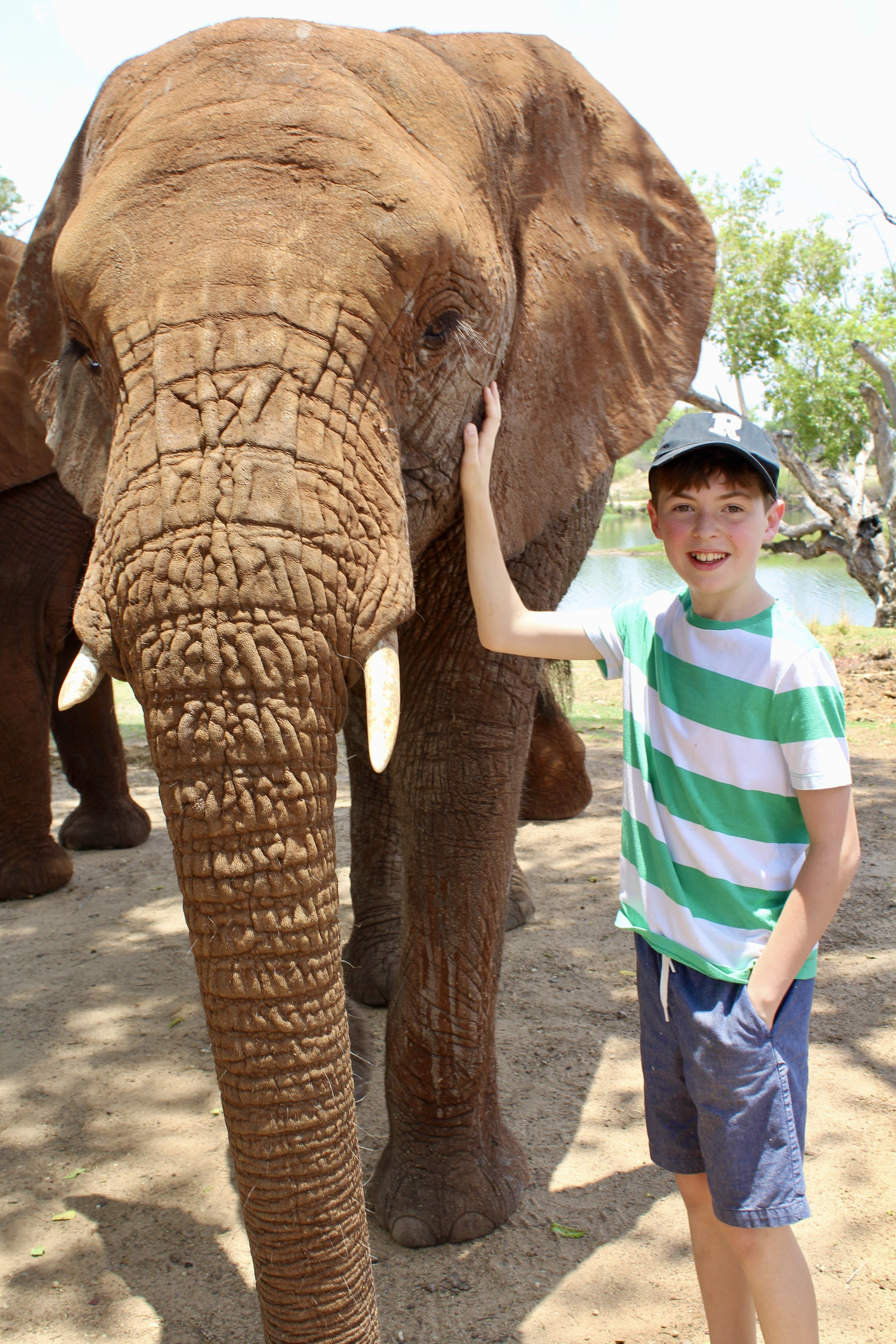
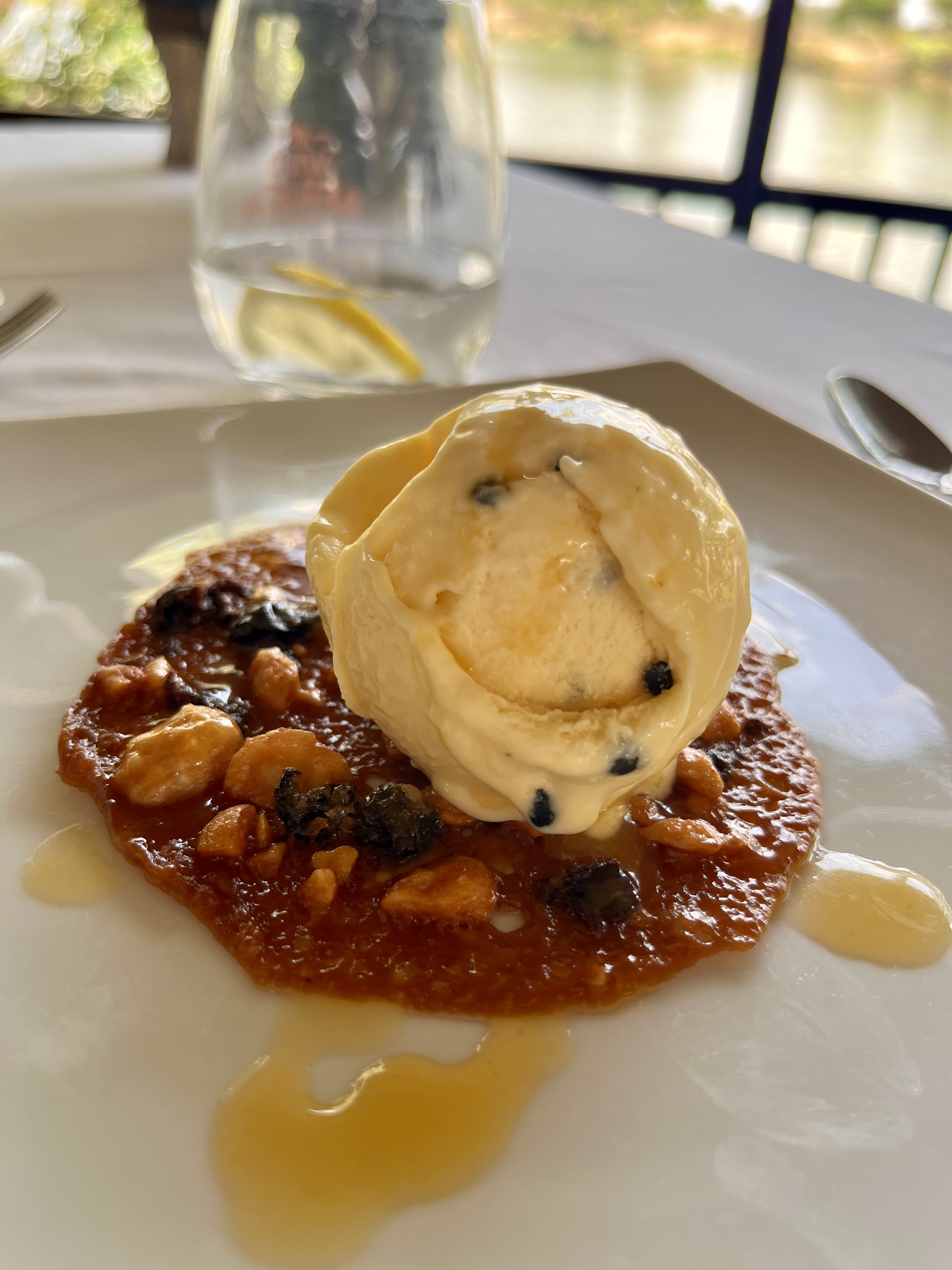
“They look soft, but their skin is like rough wood, with prickly hair,” Ramsay observed as we fed snacks to three orphaned elephants. After a good hand sanitizing, we ate one of my favorite meals on the trip: cold bell pepper soup with tamarind coulis and edible flowers, river bream infused with coconut and tarragon, sauteed zucchini and carrots, and a rice medley with chopped pistachios, raisins, and fresh mango. For dessert: passion fruit ice cream with a caramelized hazelnut wafer. “Mom, watch that bum-ble bee.” I didn’t get the emphasis at first until I saw a bee zipping into the backside of a wooden elephant statue on the table. Ramsay cracked himself up in a way that only an eleven-year-old can. I was in stitches.

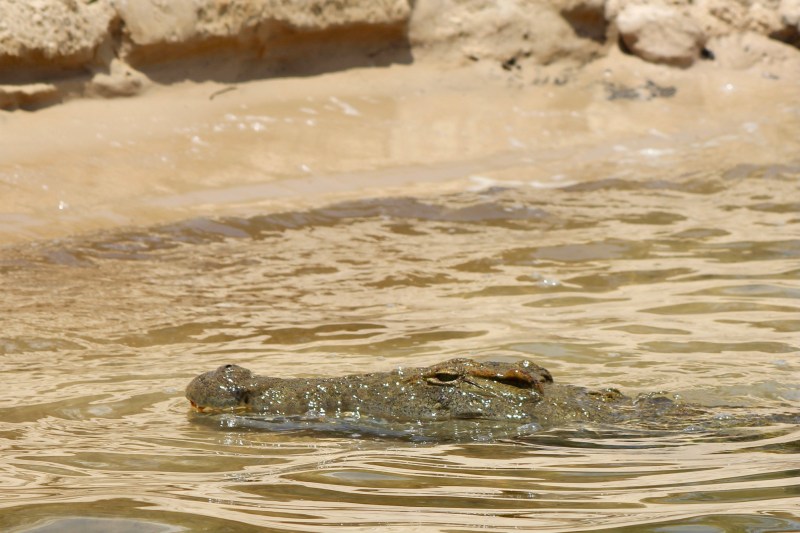
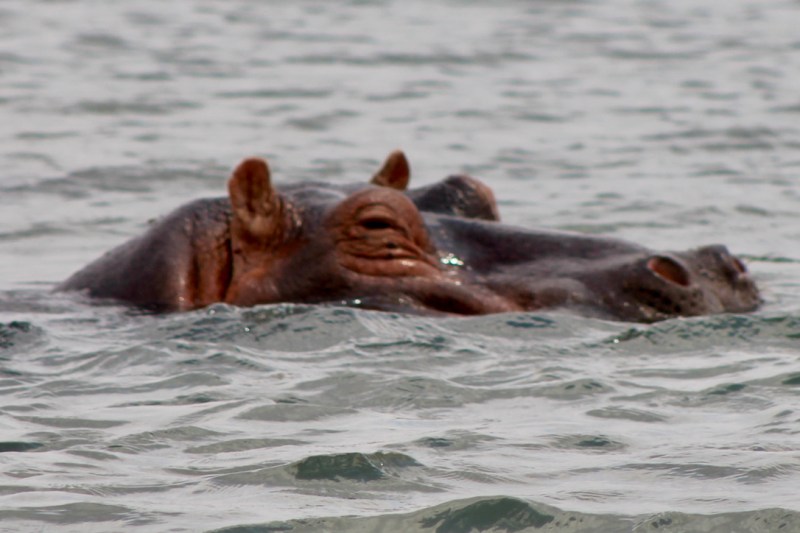
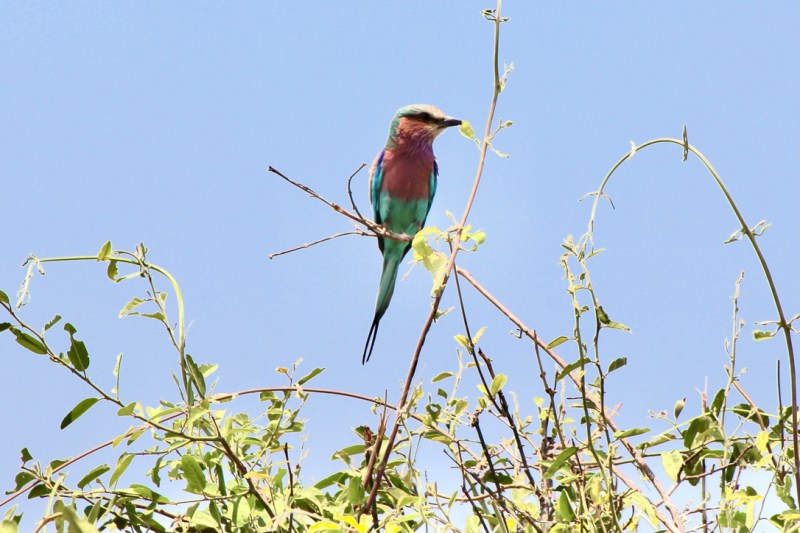
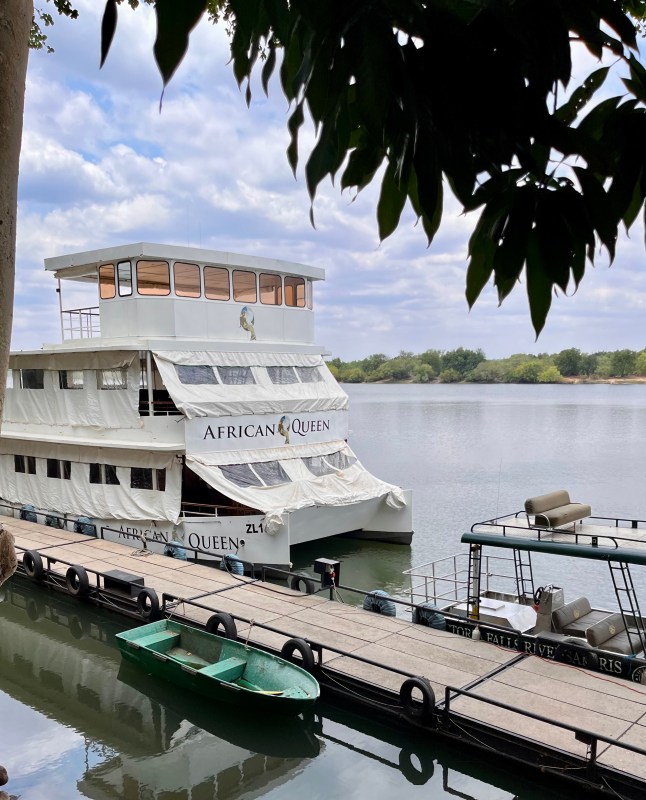
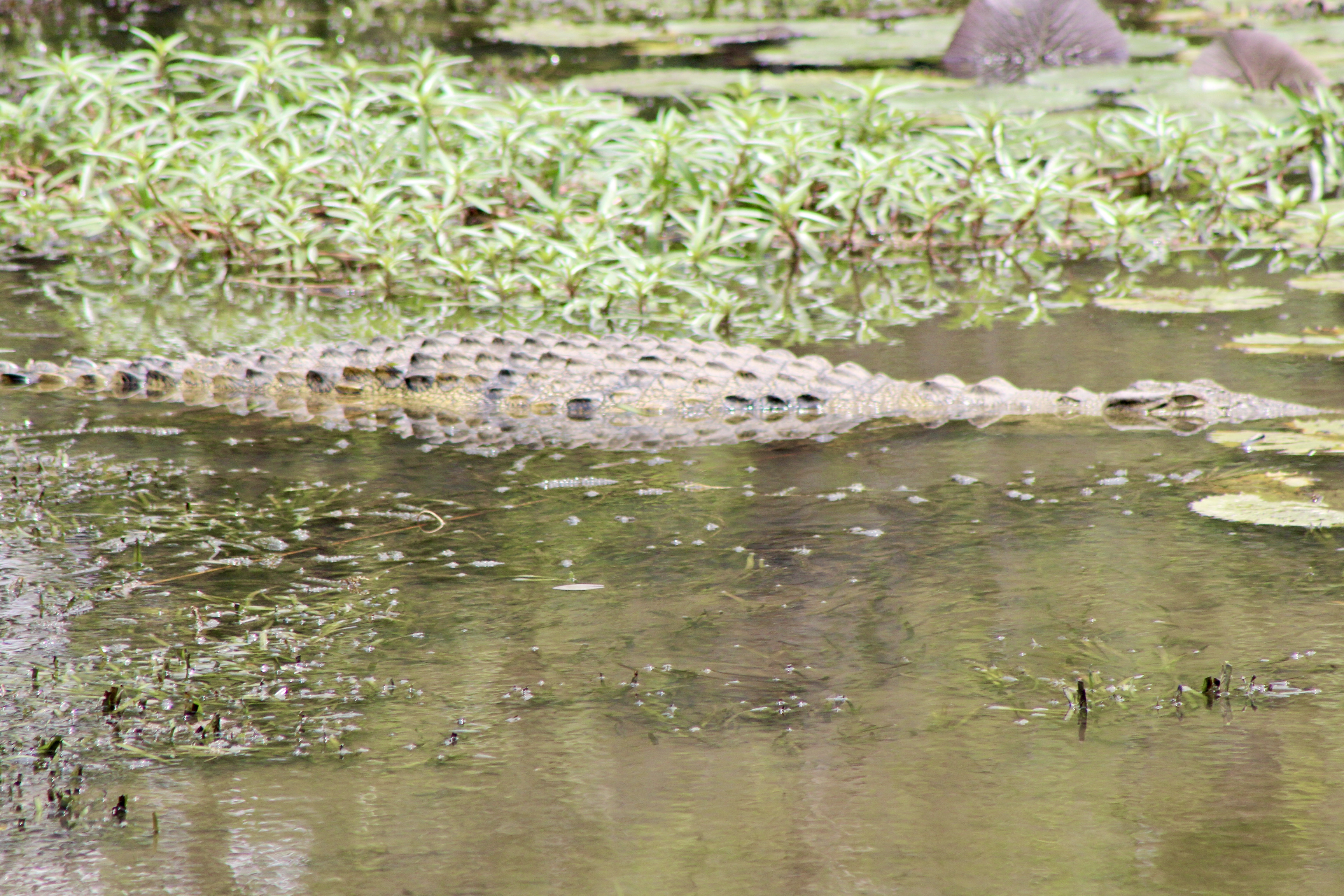
A few days later, on the Zambesi, our boat docked next to the African Queen (likely not the original from the film, but lovely). Ramsay climbed a thin metal ladder to the fishing boat’s seat on the roof. “It’s a bird paradise,” he said as we motored by herons, spoonbills, storks, Egyptian geese, bee-eaters, and lilac-breasted rollers. “There’s a croc,” said the river safari guide, pointing to a sinister set of eyes watching us… next to a bigger set of floating eyes topped with ears: a hippo.

No one swims in the Zambesi River, and for good reason. When we stopped for a picnic in the bush, the guide walked the perimeter of our lunch site to check for predators before allowing us to disembark. The guide gave us cushions to put on tree stumps for chairs. We ate in contented silence, one with the sounds of nature. “This is so cool!” Rams whispered. I agreed.

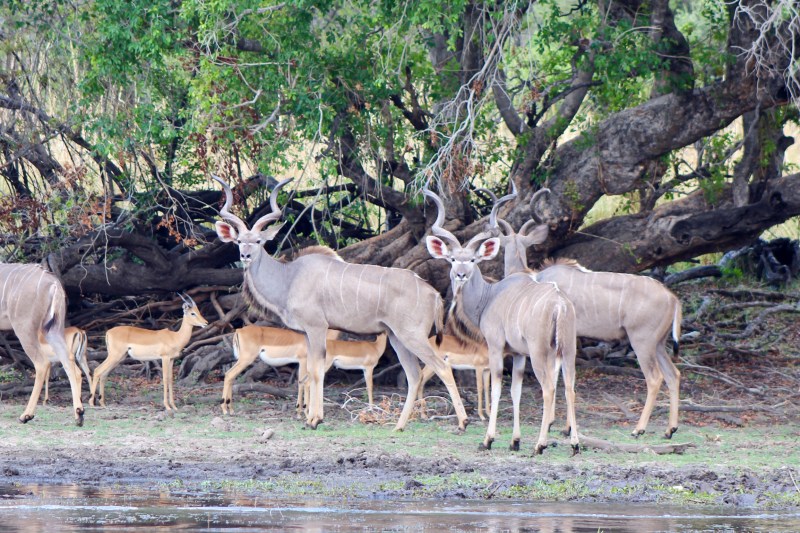
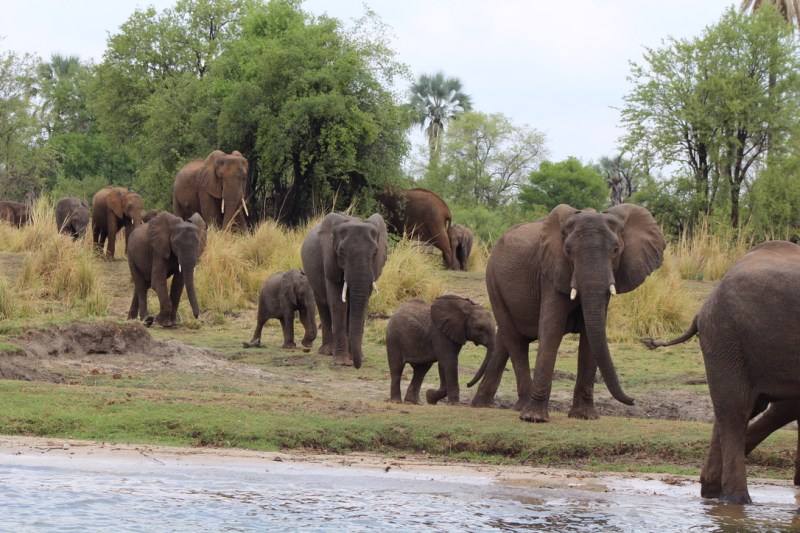
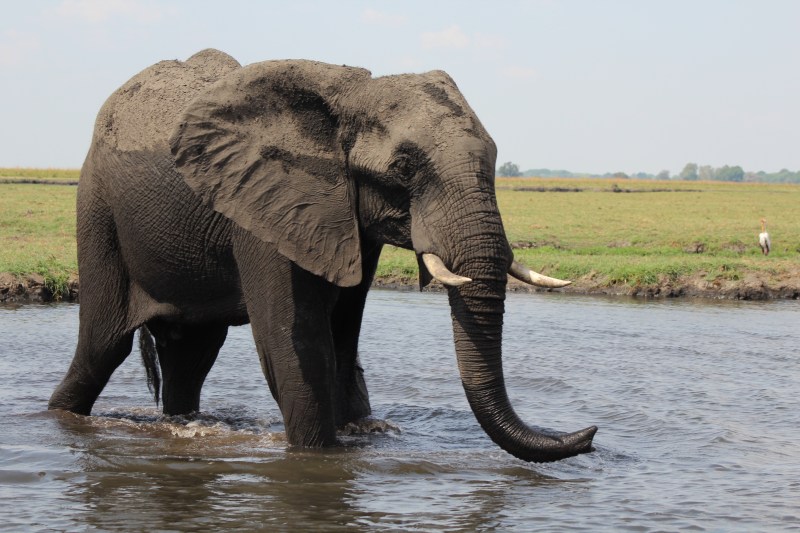
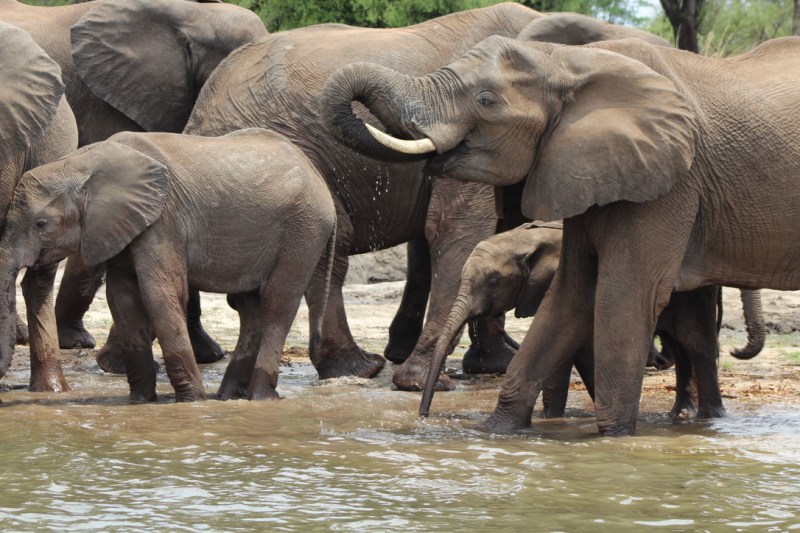
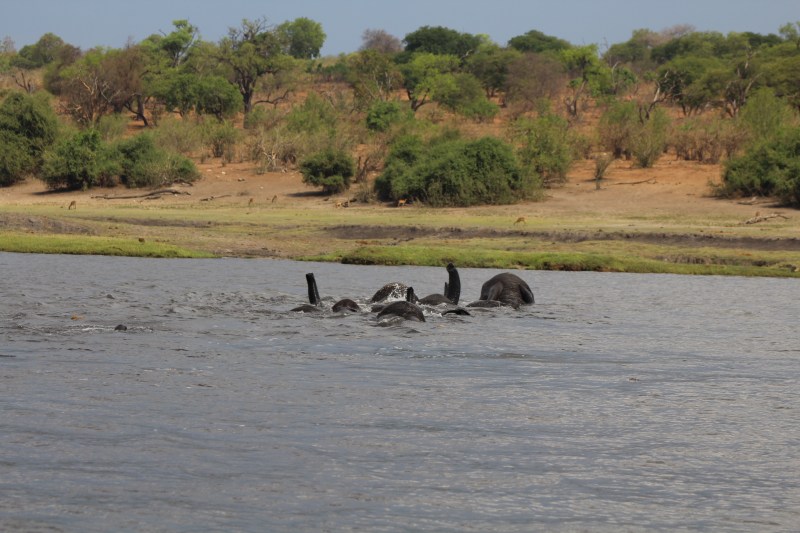
On the return boat ride, we spotted warthogs, kudu, and water buffalo. Then, a special herd of elephants descended a hill to the water’s edge to drink and wash. Ramsay counted them. “115!” Something moved up the river. What were we looking at? Something odd was bobbing on the surface. We marveled at another herd of elephants, swimming underwater, with just their spines and trunks visible, like snorkels.

That evening, Ramsay ordered an exotic meal: crocodile tail medallions with lemon sauce. “What do you think?” I asked. “Kind of like overdone tuna steak mixed with chicken,” he described.

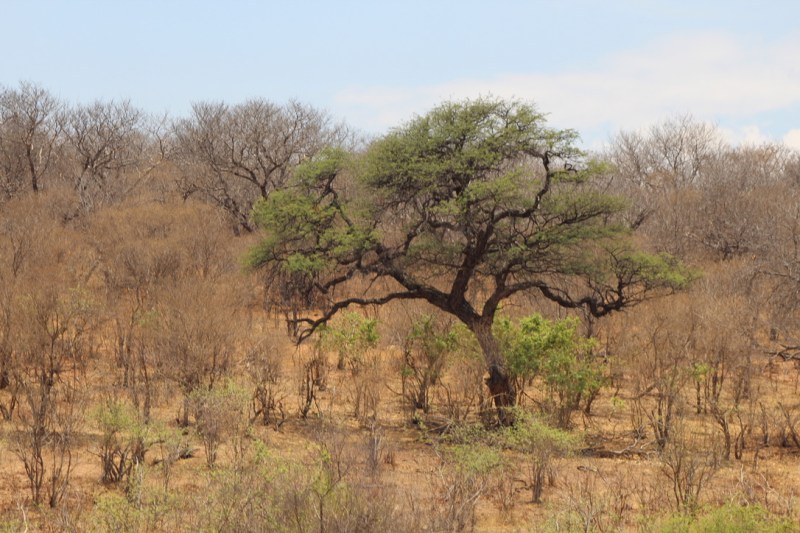
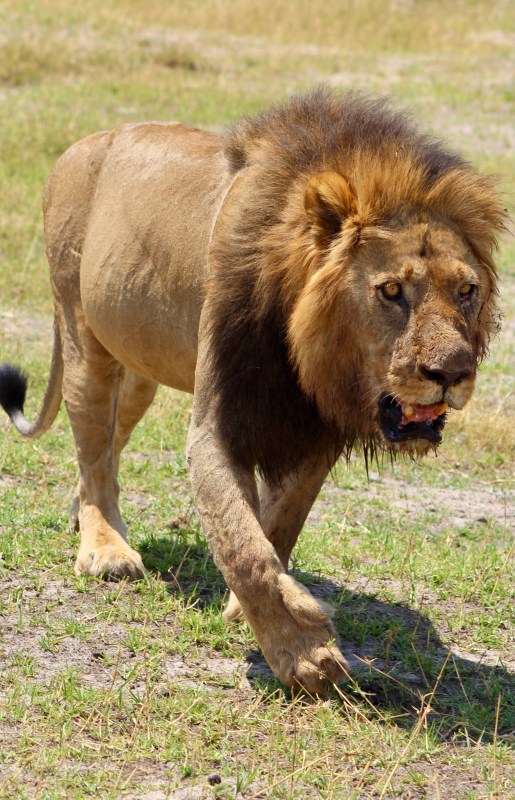
We were spoiled with wildlife before our Botswana trip, but got an adrenaline rush when the safari jeep driver, Maude, announced she’d received word lions were a few kilometers away. “We are going to speed up to catch up to them,” she said before flooring the jeep. “We’re chasing lions, can you believe it?” I asked Rams. He gripped the camera lens in the front seat next to Maude, ready. I took mental snapshots of the acacia trees, the deep red earth, and the wide-open sky. My lips were parched and I was covered in dust, happier than I’d been in weeks, chasing away my own figurative lions. The safari jeep slowed. We held our breath, close enough to see the whiskey-gold flecks in the lion’s eyes.

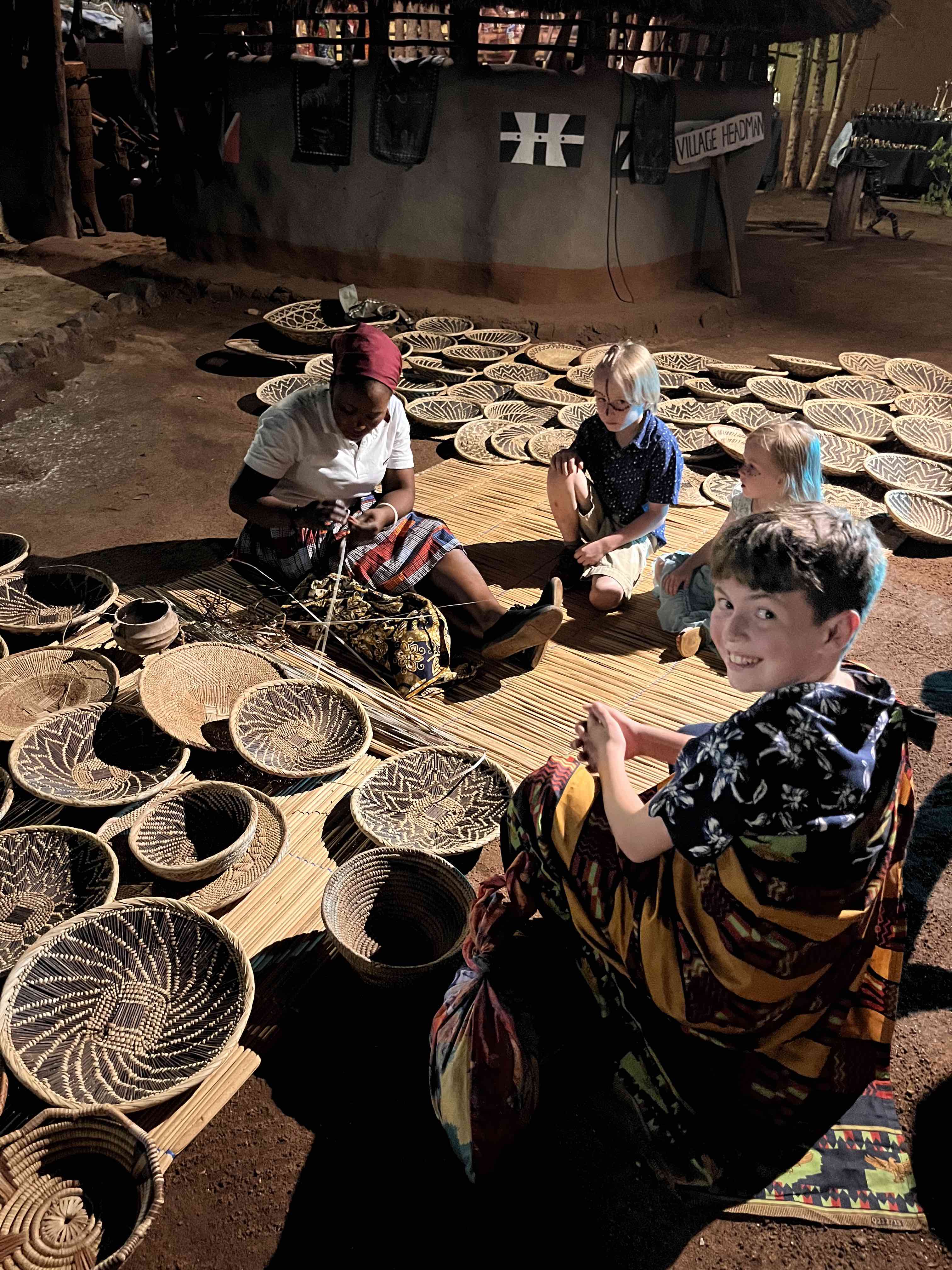
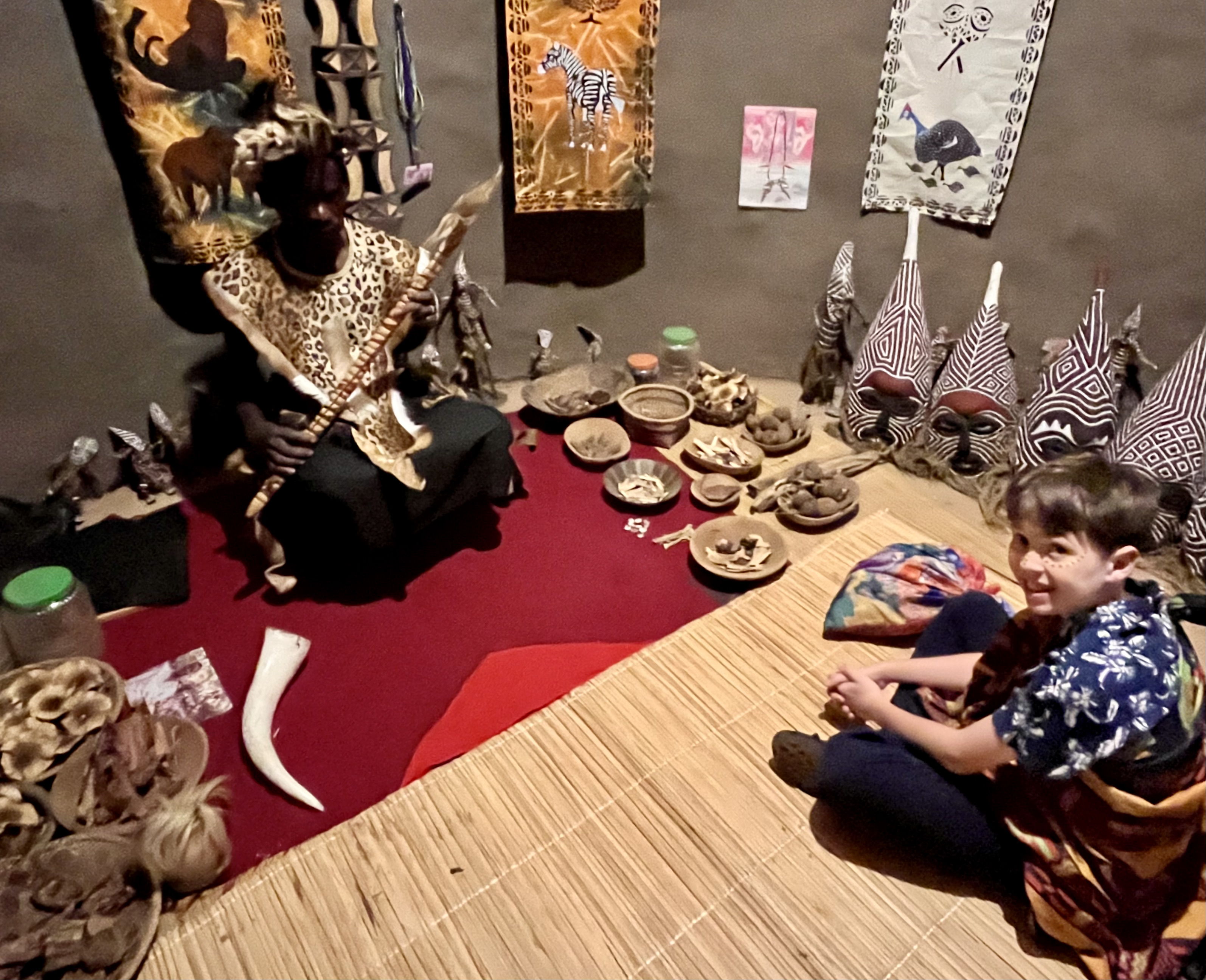
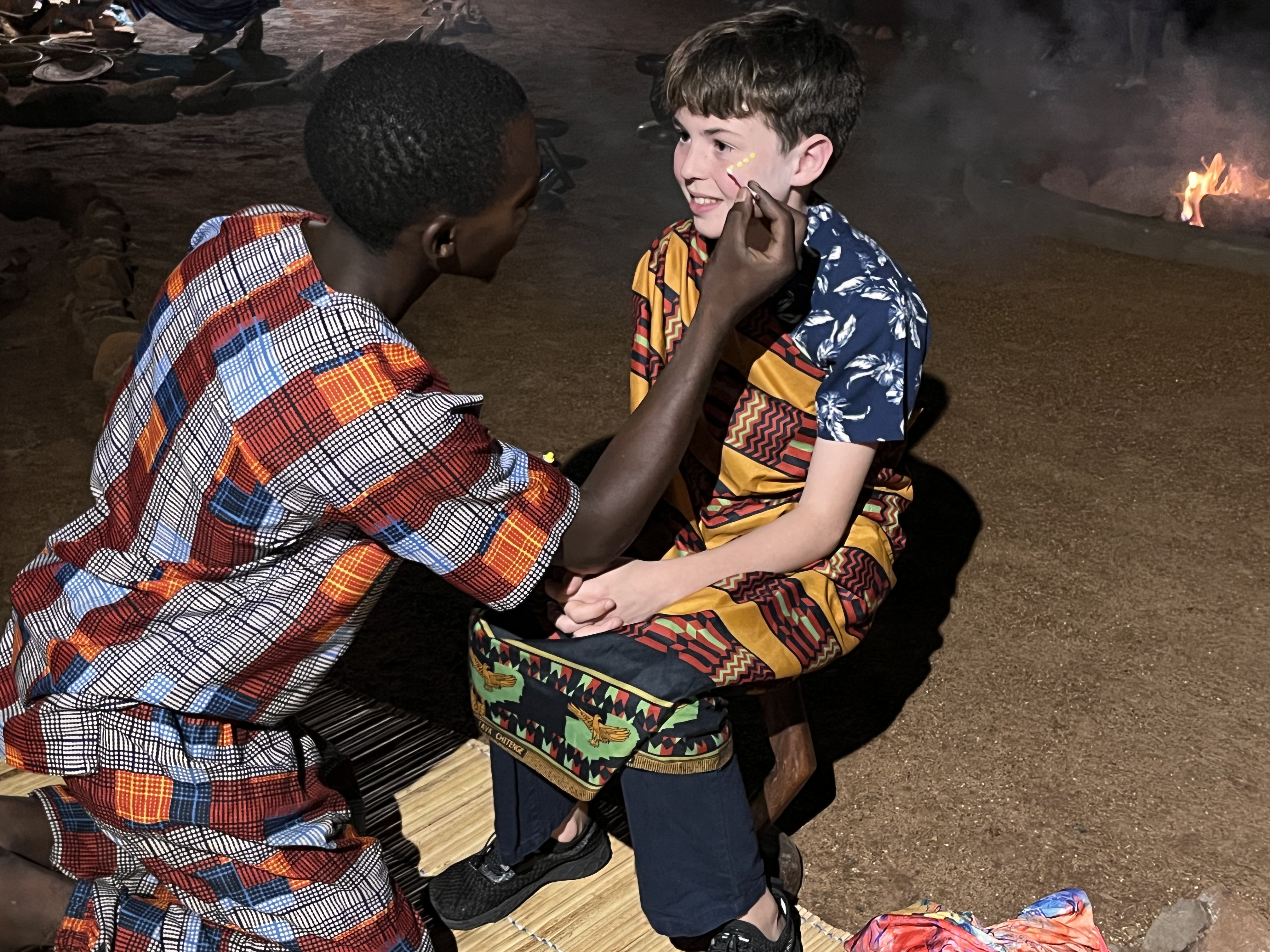
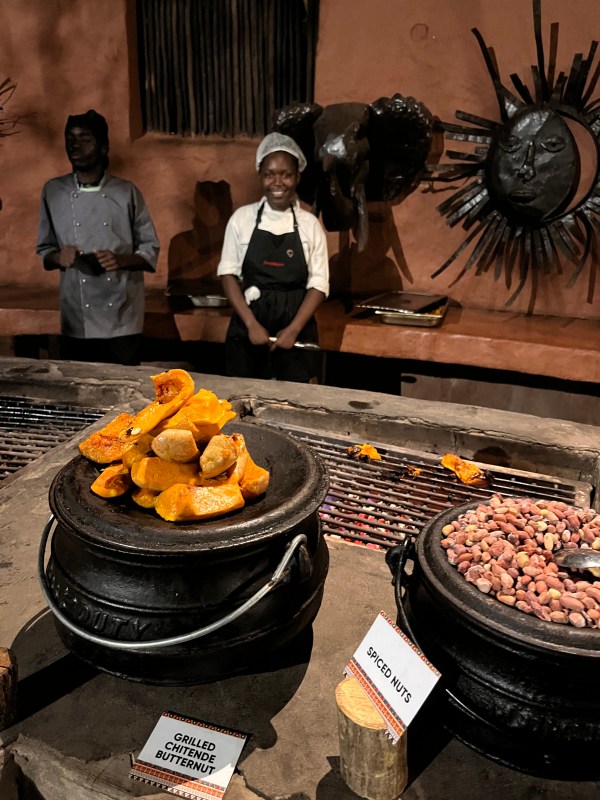
After a long wait at immigration, our tour bus returned to Zambia. Ramsay and I laughed at the name of a local market, “Shams.” For dinner, we attended a “Boma,” set in a traditional village with round huts and thatched roofs around a fire pit. Ramsay and I met a basket weaver, a storyteller, a face painter, and a sangoma (practitioner of ancestral spirits and traditional medicine). The witch doctor held up a rhino horn and beaded stick, predicting a “white shadow” (as opposed to a “dark shadow”) for our futures full of light.

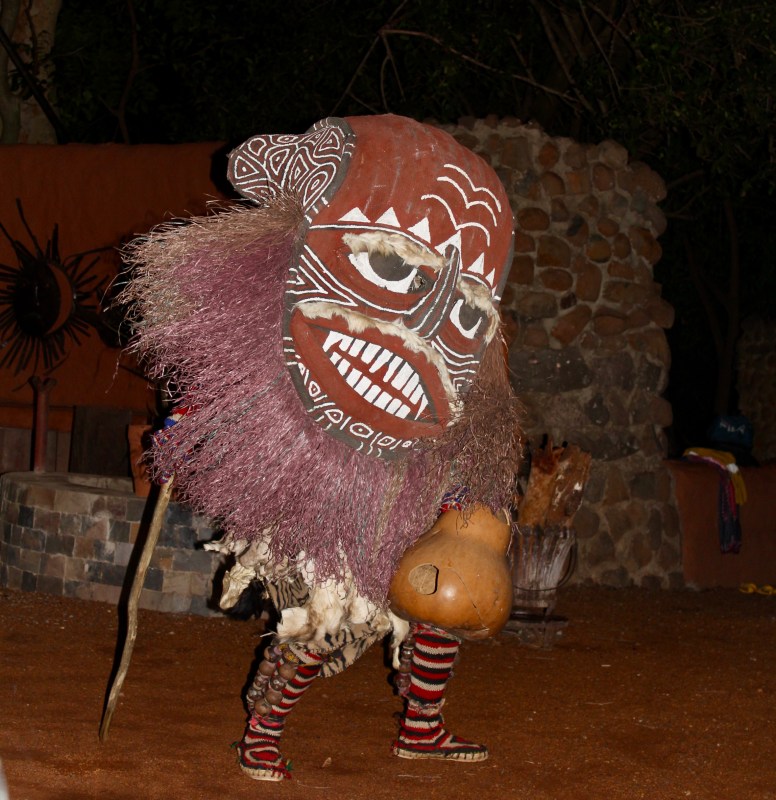
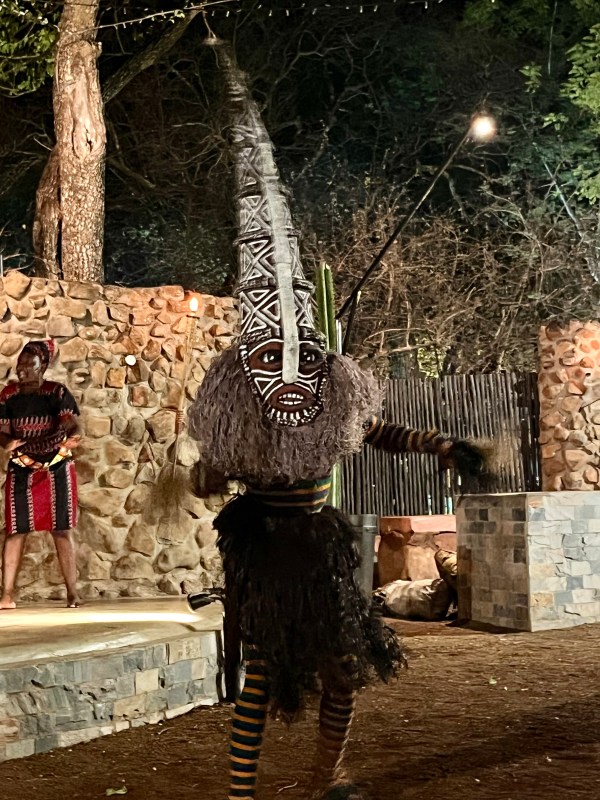
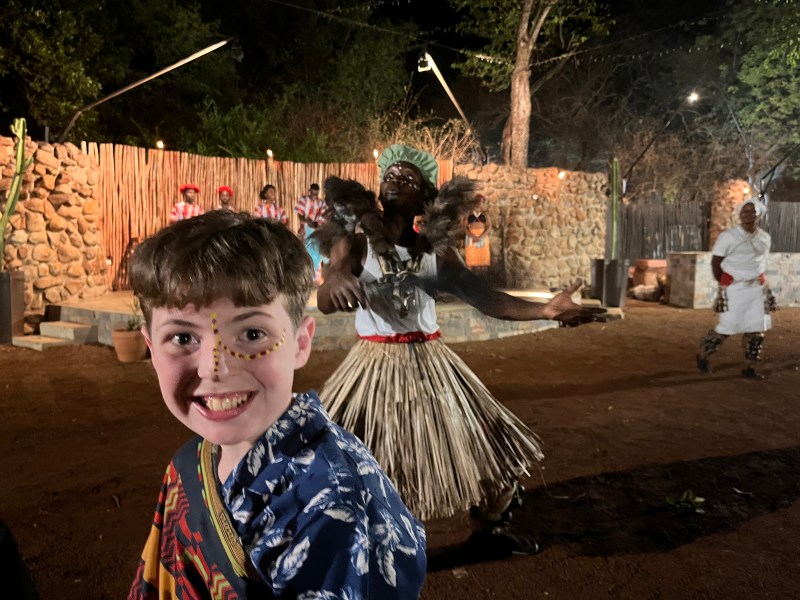
Masked dancers, bongo drummers, and singers in tribal clothing took the stage (and invited dinner guests to join-guess who did)? Ramsay nearly dropped his fork when a tribesman ate fire from the end of a stick. I was equally impressed by one of our picnic table mates, Dean, who quietly revealed he’d been to 80 countries. He looked young. I was curious (and envious) how his job in IT allowed for so much freedom but didn’t ask. His 2025 goal was to travel to his 100th nation. Before bed, Ramsay and I reflected on Dean’s goal and the interesting people we’d met on our trip, like the medical duo on safari from India and a sign-language interpreter at the breakfast buffet. “Zambia is a lot like Georgia. Come as strangers, leave as friends,” Ramsay remarked.

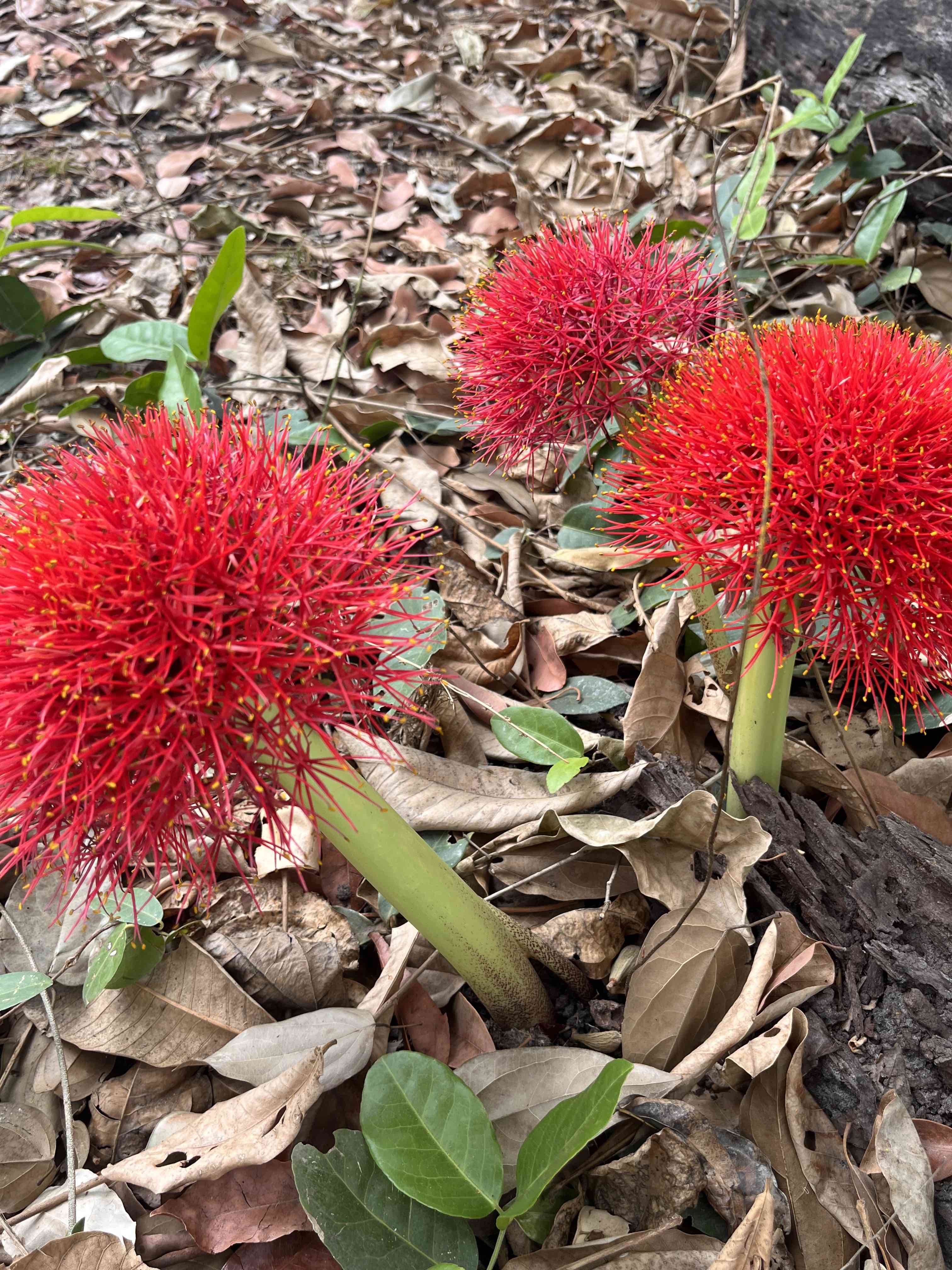
On our last day, we visited Livingstone Island. We disembarked from the boat and followed the footsteps of Dr. Livingstone, single file on a sandy path through the dry brush. Red flowers dotted the landscape, erupting through the brown leaves like fireworks. The heat was oppressive, the kind that bakes and makes you seek a shady spot to lie down. I swatted away flies and silently begged for a breeze. “Loo With A View, anyone?” We were shown a tented bathroom that opened to the Zambesi River.

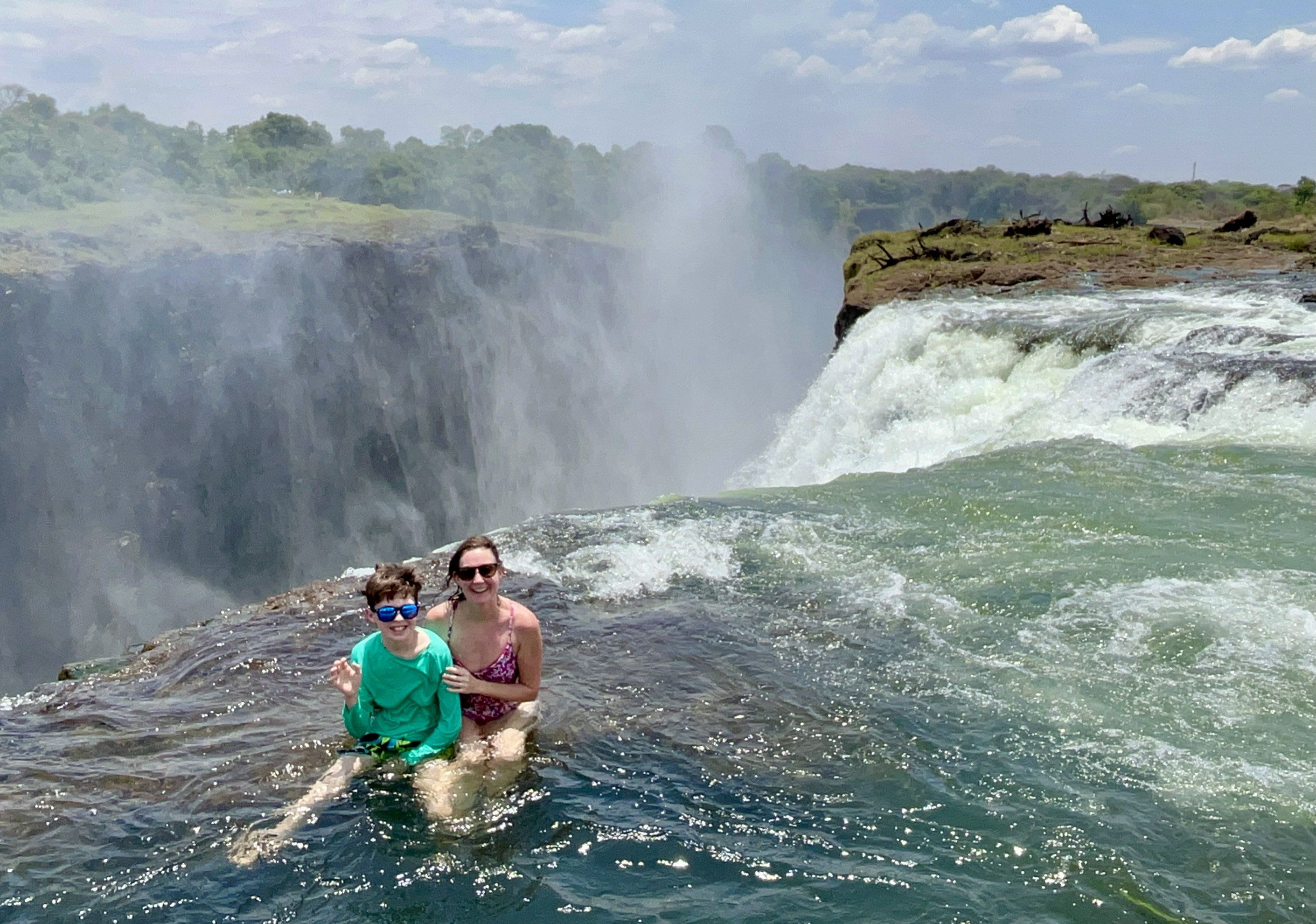
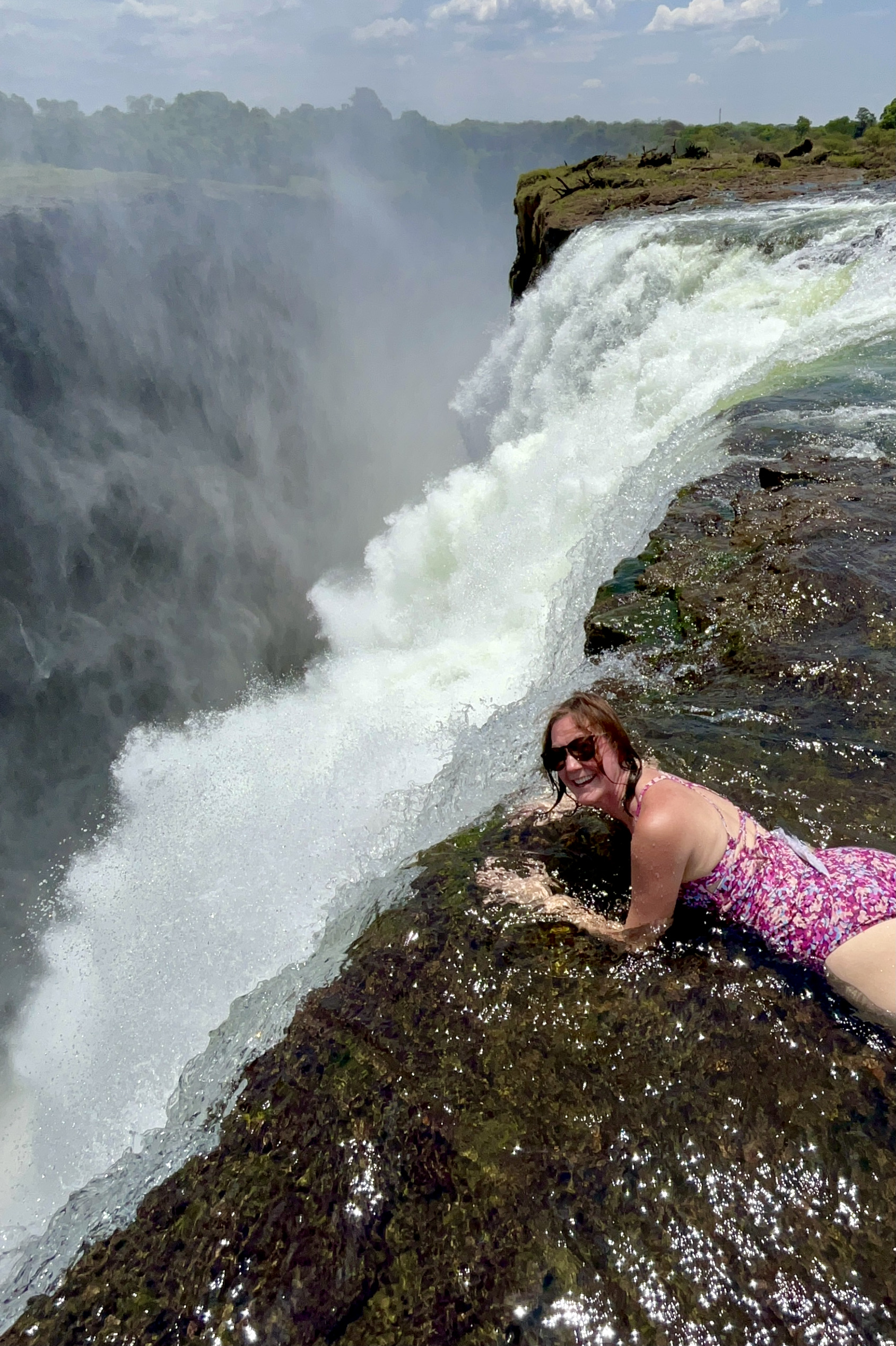
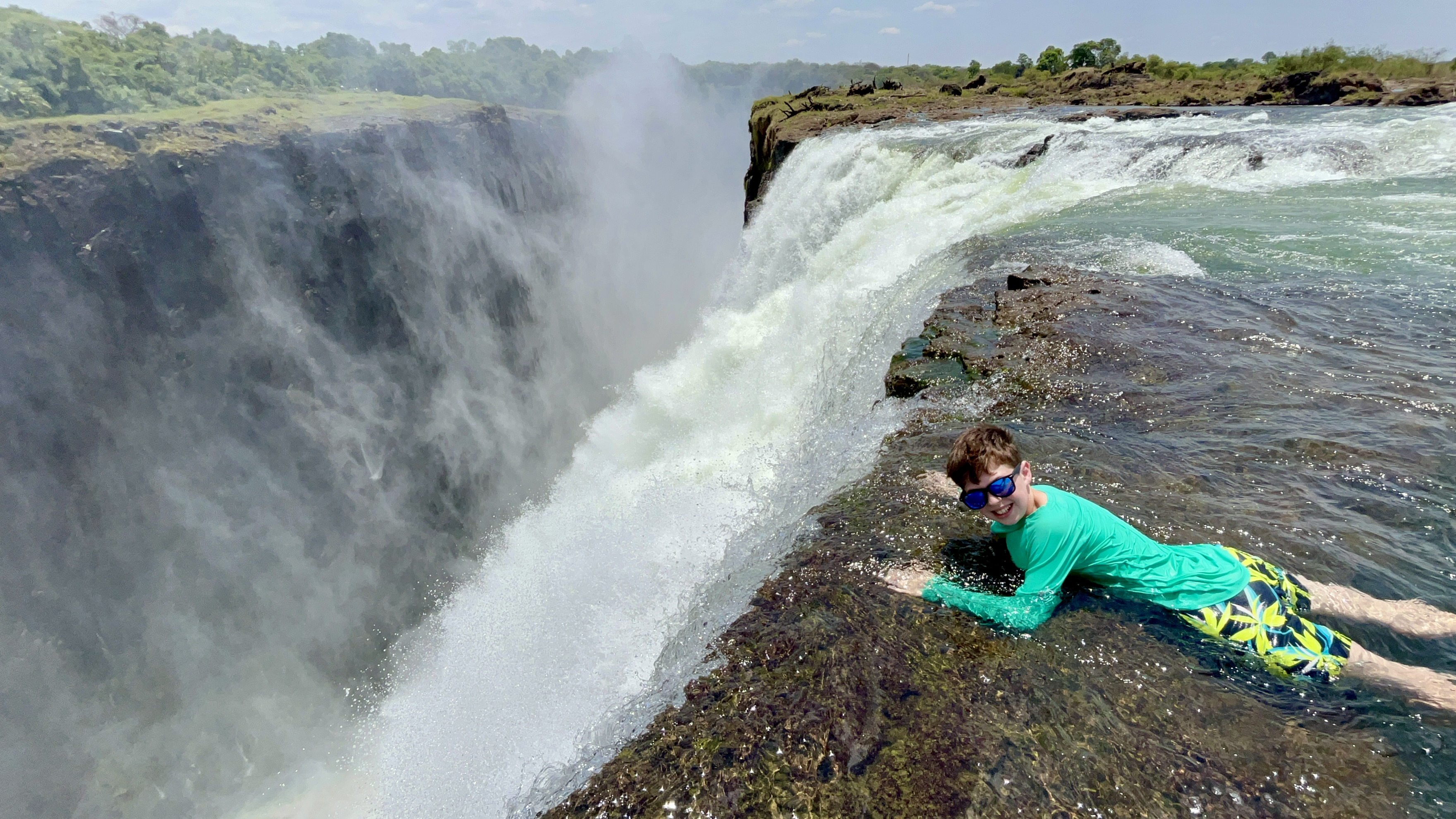
We formed a human chain to crab sideways across rocky terrain into the water until we reached a rope line and swam across toward Devil’s Pool. The meaning on the guide’s T-shirt “Life on the Edge” didn’t register with me until we swam to that edge; thrilling and daunting as we peered over the lip of the rock, one by one, with the guide holding our ankles. A majestic rainbow arced in the mist. It was exhilarating, being so close to thundering water. It rushed powerfully over the ledge in volumes like I’d never heard or seen. I felt alive. It was Ramsay’s turn. I held his hand tightly until the guide had a hold of him. Ramsay’s smile said it all: wow, this was a moment! (A parenting decision later questioned by my husband in jest).

At sunset, Ramsay stopped outside by a hotel wall and created a shadow puppet that looked uncannily like a real bird. He butterflied his hands together, making it take flight; a metaphor for our time in Zambia that had come to an end. I wished for this adventure and connection with wildlife, joyful people, festive music, and magic to carry us forward through the next several months of transition.

Tsalani Bwino (stay well)

A Peackock and an Elephant

The rainy season arrived in Gabon with hypnotic, heavy drops that drummed on the tin roof. Downpours saturated the earth, forming reflecting pools in the garden. Leaves faced skyward, unfurling on their branches to catch the water like outstretched hands.

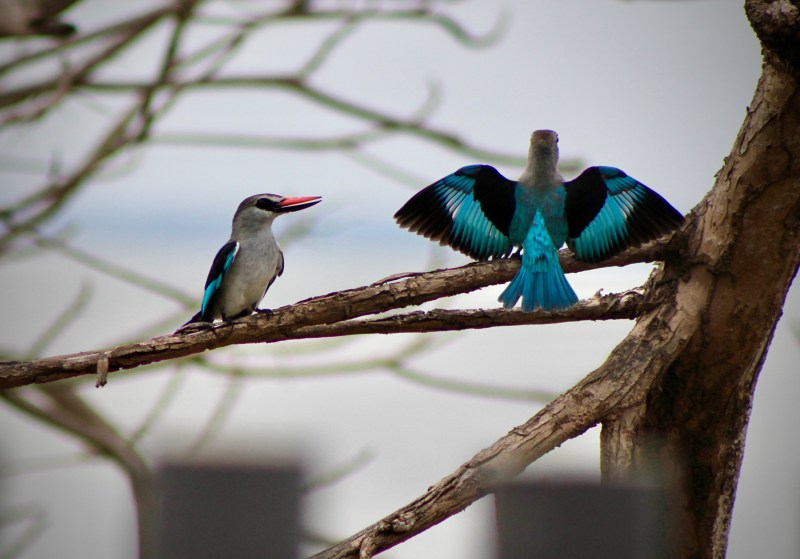
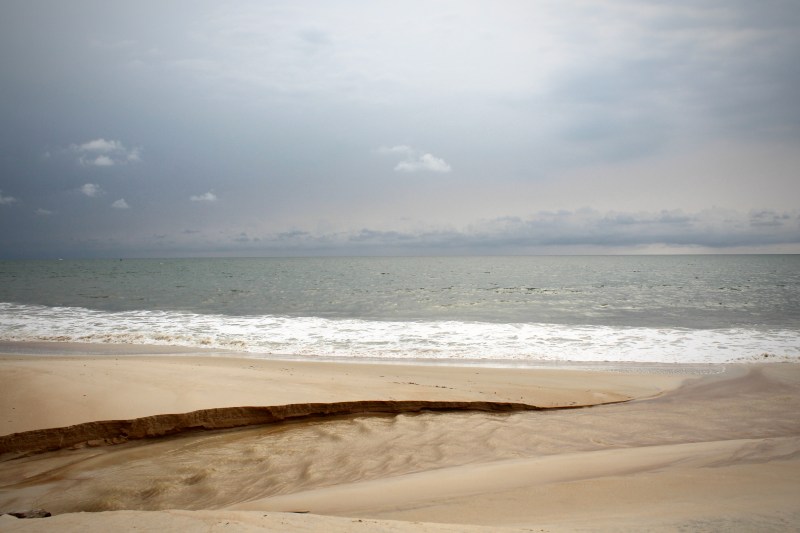
Afternoon clouds parted, so we walked to the beach behind our compound. The air smelled freshly washed. Kingfishers fanned their wings to dry.

“Elephants live over there,” I told Ramsay, pointing to the isthmus across the estuary.

“Really? Right there?” he gestured to the thin, blurry line of trees on the horizon.

I understood his confusion. Although the strip of land across the water looks fairly close, our house is nestled in a congested, urban area inhabited by a few bats and birds, but not by pachyderms.

“Yes, it’s Pongara National Park, accessible by boat. We’ll go there.”

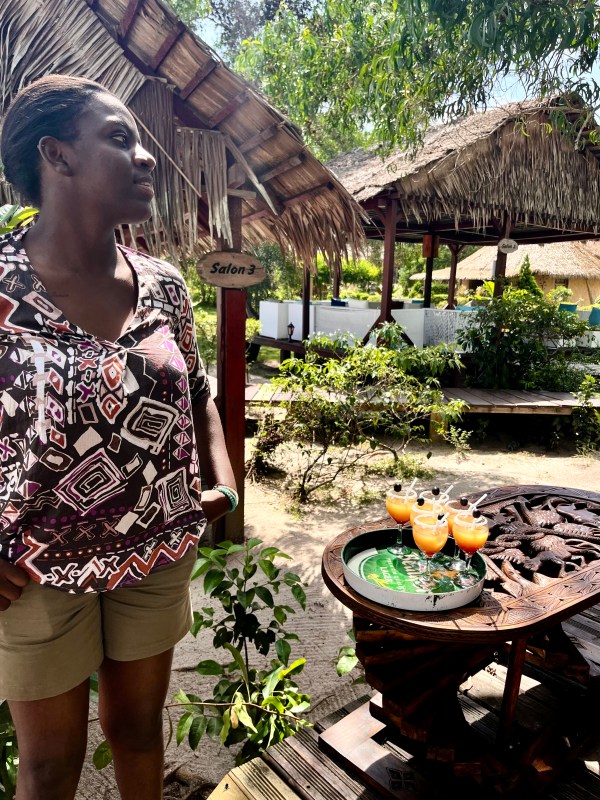
I’d made the half-hour crossing across the Gabon Estuary only once before. It was a day trip with friends to the lovely Baie de Tortues resort, where a woman greeted us with a welcome drink and then gave us a tour of the property.

On the boardwalk, she stopped abruptly. “Une paonne,” she said, pointing. Rolling the word around in my mouth, whispering it slowly, pa-onne, I flipped through my mental Rolodex of French vocabulary and came up blank. Then I saw what she meant; a live peacock on the porch of a thatched-roof bungalow.

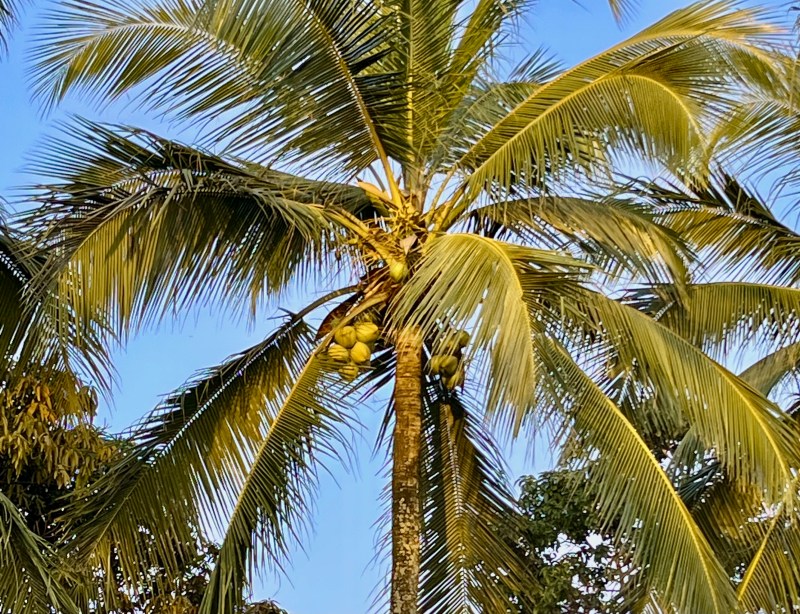
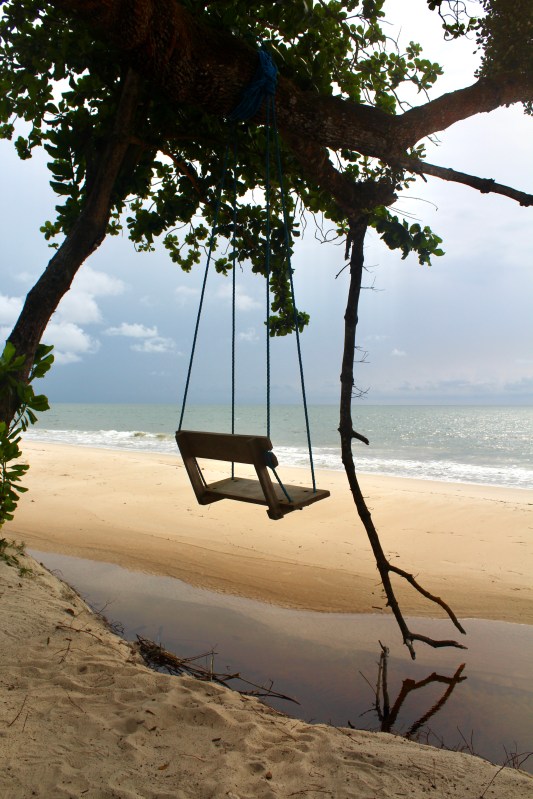
The vastly different landscape felt further away than the thirty-minute journey from home. Here, the sun danced across clean water that spilled onto unpolluted, powdery beaches. Palm fronds arched over the sand, casting long shadows like the arms of a ballerina.

We soaked in the salty sea until the scent of grilling meat and fish lured us to lunch.

Two months later, I crossed the estuary once more; this time with Brad and Ramsay. Cresting silvery-jade waves, our roofless motorboat rose and fell beneath an encroaching storm.

Maybe we should’ve wrapped our overnight satchels in a clean trash bag, I considered as I envisioned drenched clothes from the threatening skies hovering above. But the weather held, and minutes later, we sighed a breath of relief when the woolen wall receded.

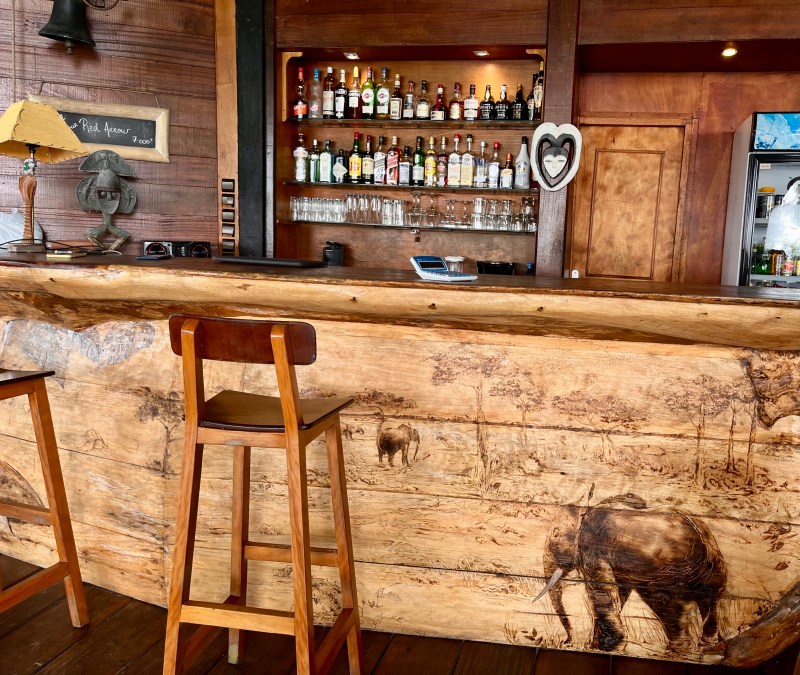
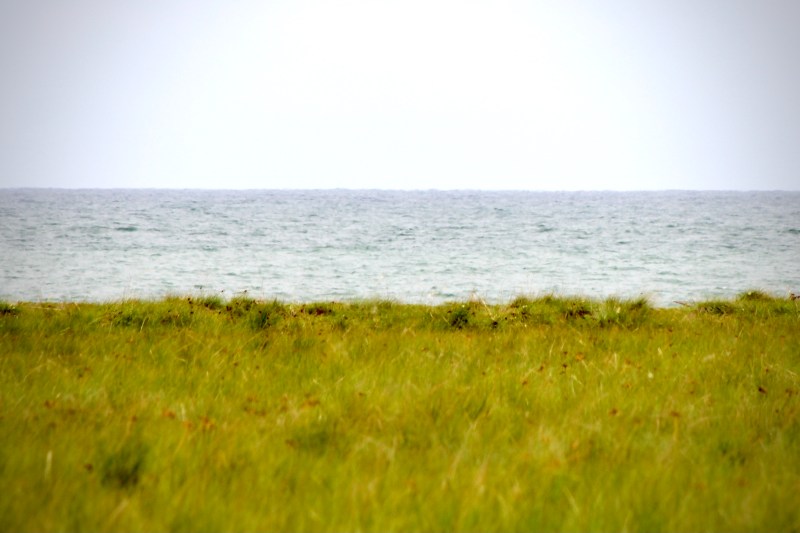
The hosts of Pongara welcomed us into their spacious lodge, decorated with carved animals and tribal masks. Looking like a watercolor painting, the open-air, wooden structure blended into a backdrop of savanna grass, forest, and sea.

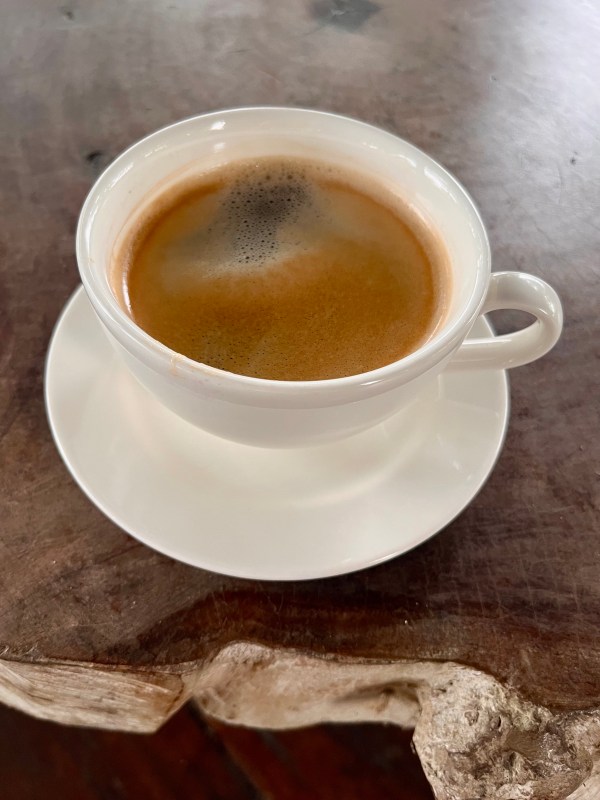
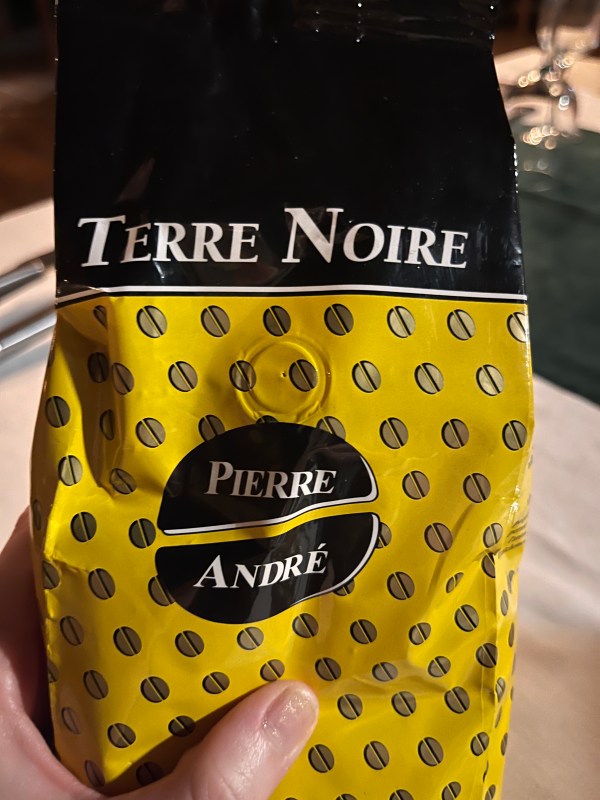
We were offered a late breakfast of croissants, mango, passion fruit, and Gouda cheese. The coffee was good and strong. When I commented on this, the chef brought out the bag from the kitchen, proud to show me the beans were African, from Cameroon.

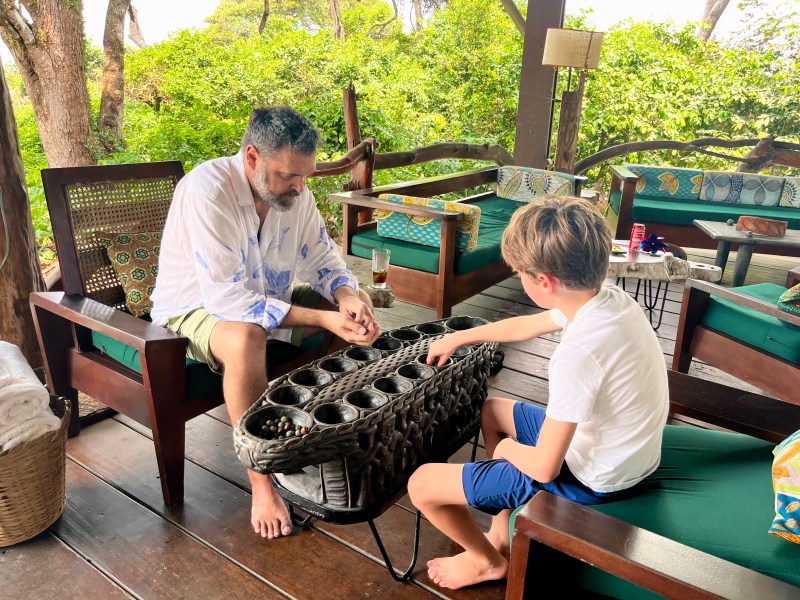
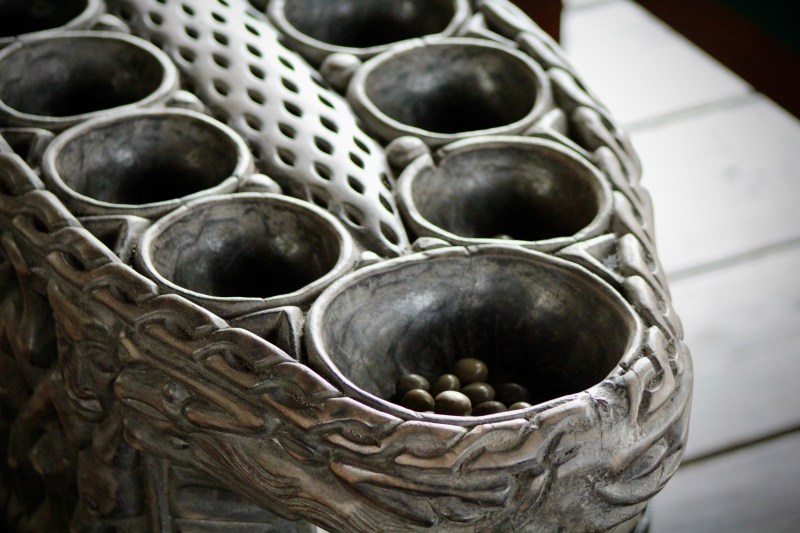
The boys played mancala, a strategic game not unlike backgammon, that involves taking your opponent’s seed pods.

At the nearby lagoon where we were told, “There are crocodiles, but they are small and not offensive,” we kept vigilant just in case, stepping gingerly through the shade.

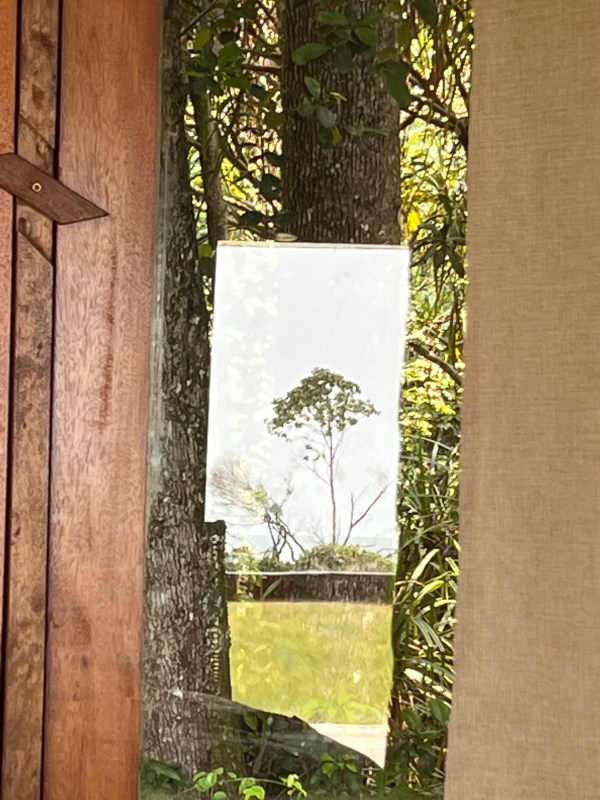
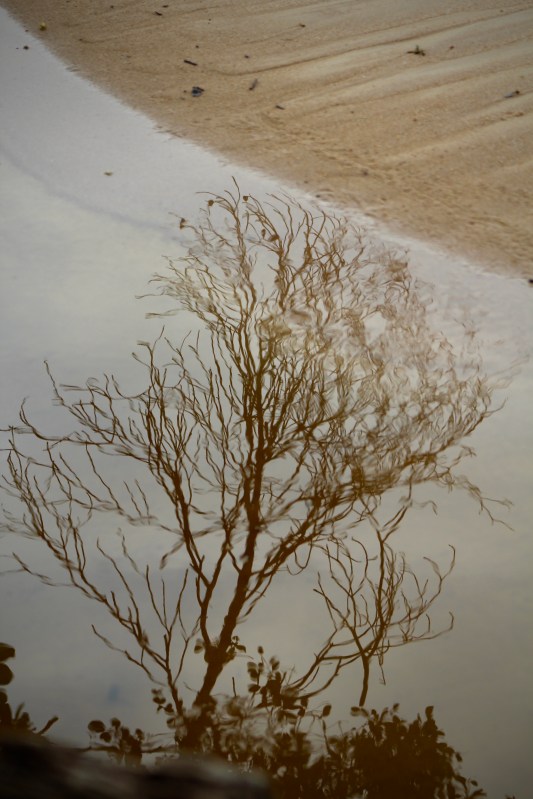
Inside our bungalow, the air conditioning unit fogged the nearby window. Beads of evaporation made slow trickles, like veins on the glass. An optical illusion formed; one window reflected in another, creating a nature collage.

On the sunny porch, it was hot. Ants were plentiful- on the ground, on the wall, on the lounge chairs. I gently brushed them in another direction and focused on the lovely bird calls and rhythmic waves.

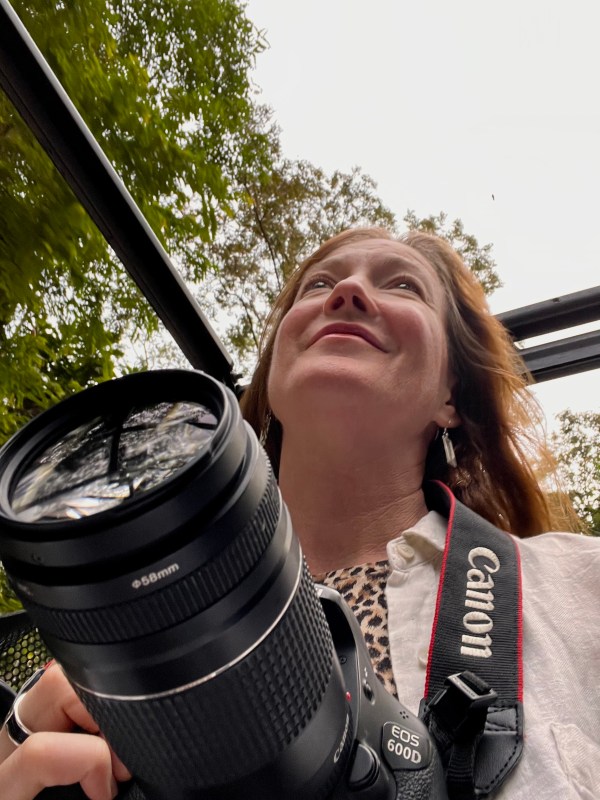
On a beach walk, the birds were elusive to photograph, so I focused the lens instead on patterns of bark, designs in the sand, and watery reflections.

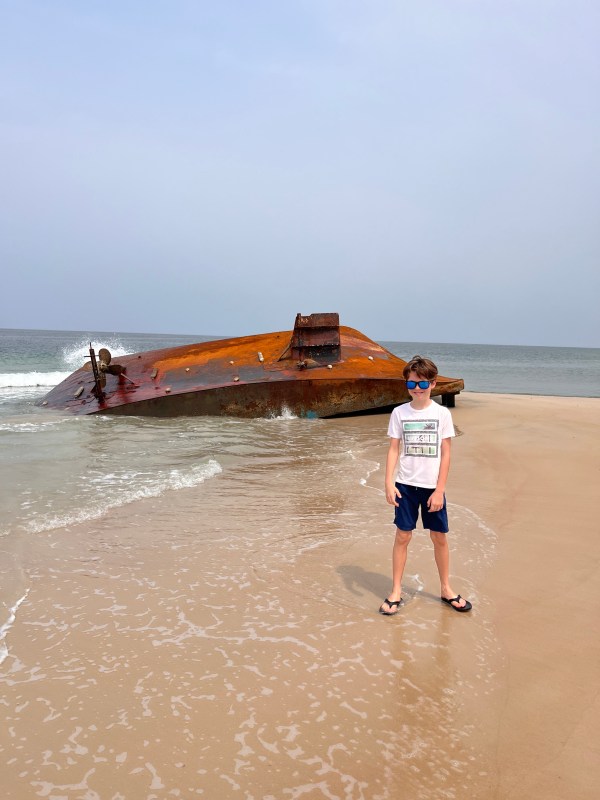
Beneath an abandoned, overturned barge, water lapped and clanged eerily against the rusty metal.

On an afternoon hike, birds, locusts, frogs, and crickets chattered simultaneously, adding to the mystique of trekking deeper into the shadowy wilderness. I swatted away a thick swarm of mosquitoes, grateful for anti-malarial meds.

A bird in the forest made the exact two-tone squeak of a rusty swing, momentarily transporting me to childhood.

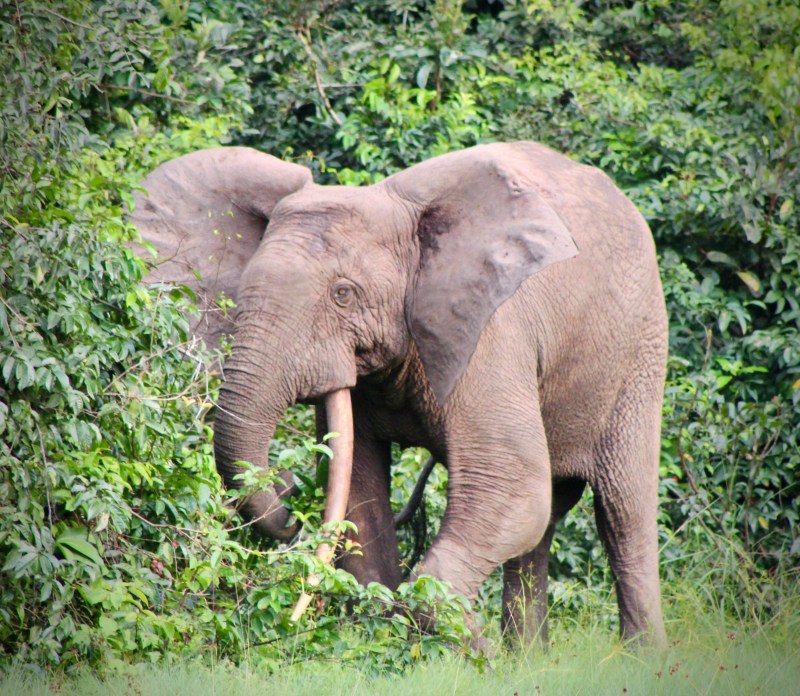
Movement in the bushes on the far side of a field caught our eye. A baby elephant! The guide, Abdul, explained it wasn’t young; rather, forest elephants are smaller than the ones that roam across East Africa.

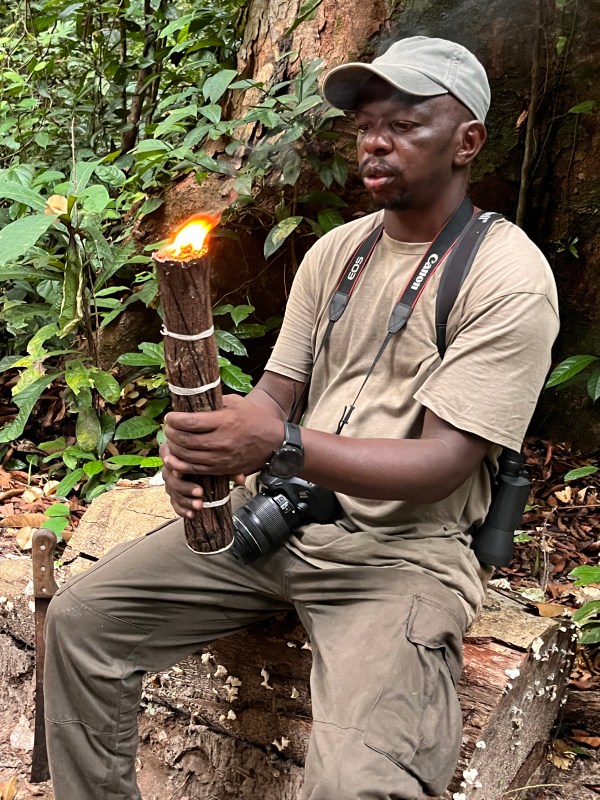
Abdul paused to show us tree sap from an Okome tree. The sap is flammable and can be used in villages as a torch. Its smoke is a natural mosquito repellent.

“It has a soul,” he said, patting the tree. “It takes our carbon dioxide and turns it into the oxygen we breathe. Nature gives us much.”

A monkey flung itself from a branch, its mischievous face changing from intently curious into a comical grin. I got a blurry shot from the camera lens, steamy from humidity. Chimpanzees screamed to one another in a faraway canopy.

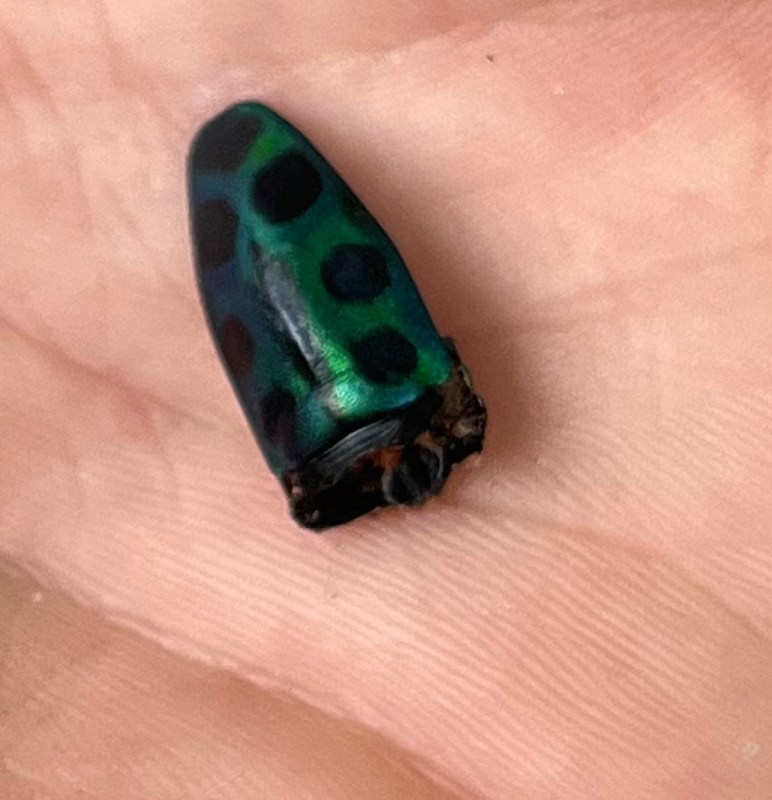
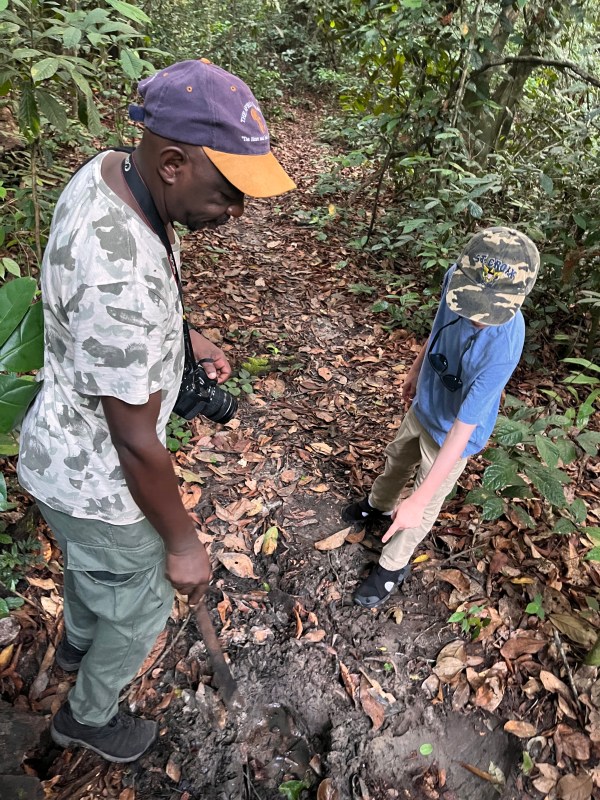
We stopped to examine an elephant print and Ramsay found an iridescent beetle exoskeleton in the leaves.

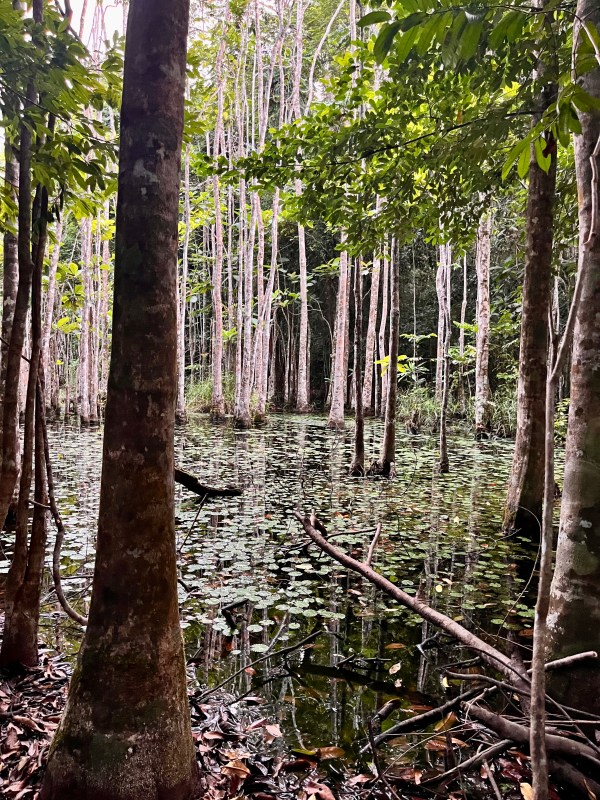
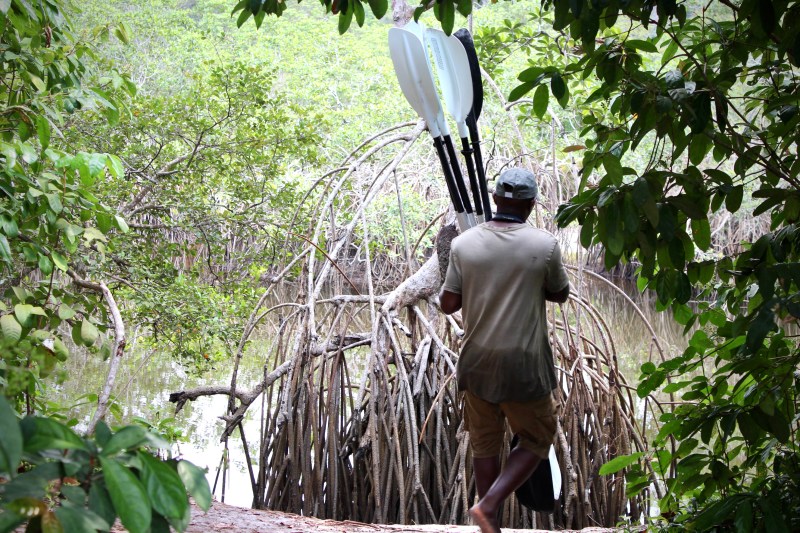
After lunch, we kayaked through the mangroves to the mouth of the river where it touches the sea. Gnarly brown roots bent like fingers and clawed at the brackish water, creating mirror-like reflections. As a “goliath” heron glided over the river, it’s silhouette chased behind.

The next day, toting binoculars and cameras, we clamored into an ATV for a safari. The small truck chugged through muddy trails and over rough terrain. A breath caught in my throat as our tires crossed a rickety, wooden-plank bridge over a rushing river. We ducked to avoid vines dangling like thick, twisted ropes.

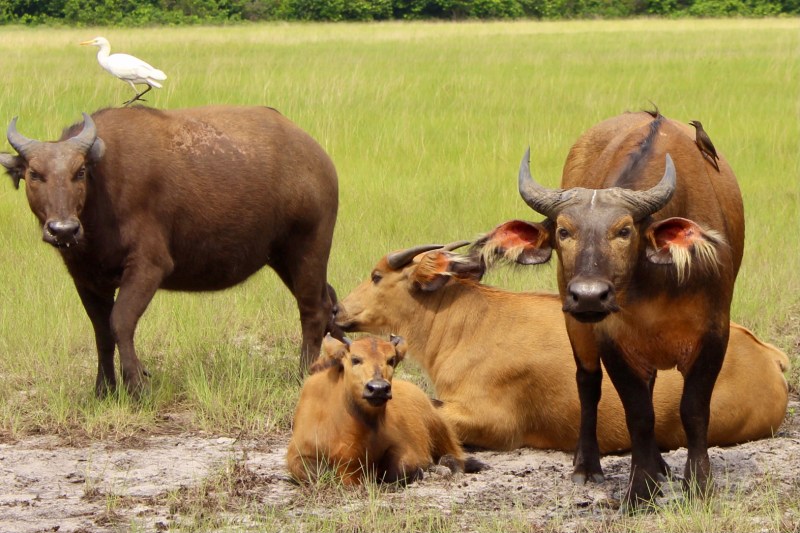
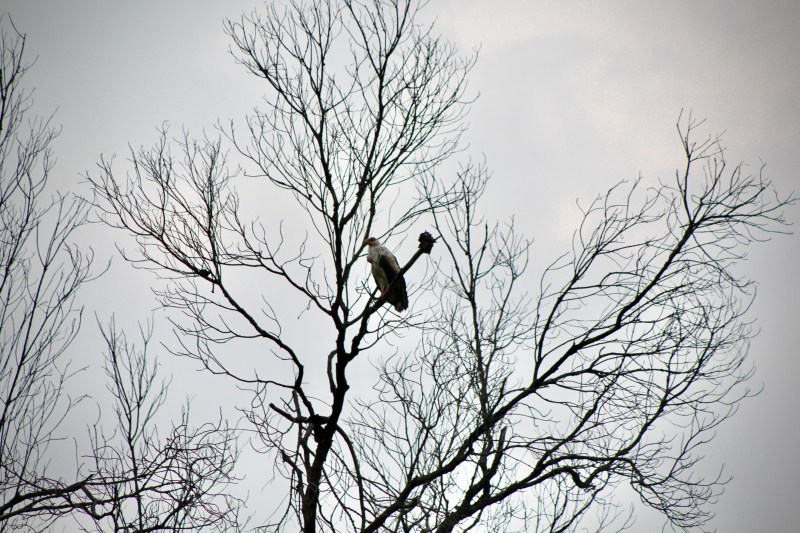
A clearing appeared. In the bright green grasses of the savanna, buffaloes stood with birds on their backs. A vulture lorded over the field from a barren tree, keeping a watchful eye on a leaping antelope.

Our overnight adventure ended too soon. As an unexpected gift before leaving Pongara, Ramsay found a discarded pinwheel. Under fair skies, it spun wildly in the wind like a celebration.